Minimally invasive surgeries (MIS) have revolutionized the medical field, offering numerous benefits such as reduced pain, shorter hospital stays, and faster recovery times compared to traditional open surgeries. At the heart of many MIS procedures lies the electronic endoscope, a remarkable device that has transformed the way surgeons operate. As a leading supplier of electronic endoscopes, I’ve had the privilege of witnessing firsthand how these advanced tools are enhancing surgical precision and patient outcomes. In this blog, I’ll delve into the ways in which electronic endoscopes contribute to the success of minimally invasive surgeries. Electronic Endoscope

Visualization and Imaging
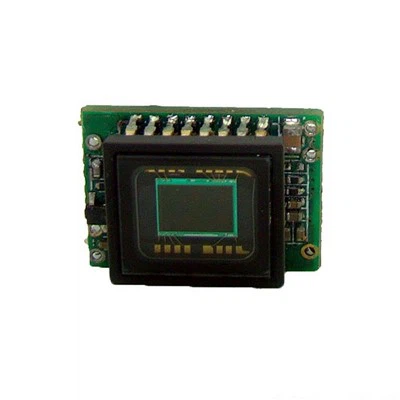
One of the primary functions of an electronic endoscope in MIS is to provide high – quality visualization of the internal organs and tissues. Unlike traditional endoscopes that rely on optical fibers to transmit images, electronic endoscopes are equipped with a charge – coupled device (CCD) or complementary metal – oxide – semiconductor (CMOS) image sensor at the tip. These sensors capture detailed images and convert them into electronic signals, which are then transmitted to a monitor for the surgeon to view.
The high – resolution images provided by electronic endoscopes allow surgeons to clearly see anatomical structures, blood vessels, and any pathological conditions. This level of detail is crucial for accurate diagnosis and precise surgical planning. For example, in laparoscopic cholecystectomy (removal of the gallbladder), the electronic endoscope enables the surgeon to identify the cystic duct, artery, and other critical structures, reducing the risk of damage to surrounding tissues.
Moreover, electronic endoscopes often come with advanced imaging features such as high – definition (HD) and 4K resolution. These technologies offer even sharper and more vivid images, enhancing the surgeon’s ability to detect small lesions or abnormalities. Some endoscopes also have the capability of narrow – band imaging (NBI), which uses specific wavelengths of light to highlight the surface and vascular patterns of tissues. NBI can be particularly useful in detecting early – stage cancers, as it can reveal subtle changes in the blood vessels and tissue architecture that may not be visible with standard white – light imaging.
Illumination
Proper illumination is essential for clear visualization during MIS. Electronic endoscopes are designed with built – in light sources, typically light – emitting diodes (LEDs). LEDs offer several advantages over traditional light sources such as halogen lamps. They consume less power, generate less heat, and have a longer lifespan.
The light from the LEDs is evenly distributed at the tip of the endoscope, ensuring that the surgical field is well – lit. This uniform illumination helps to reduce shadows and provides a clear view of the area being operated on. In addition, some electronic endoscopes allow the surgeon to adjust the intensity of the light according to the specific requirements of the procedure. For instance, in deeper or darker areas of the body, the light intensity can be increased to improve visualization.
Manipulation and Flexibility
Electronic endoscopes are highly flexible and can be precisely manipulated to reach different parts of the body. The flexible shaft of the endoscope can be bent and steered using controls at the handle, allowing the surgeon to navigate through complex anatomical passages. This flexibility is particularly important in minimally invasive procedures where the surgical access is limited.
For example, in endoscopic retrograde cholangiopancreatography (ERCP), which is used to diagnose and treat problems in the bile ducts and pancreas, the endoscope needs to be threaded through the esophagus, stomach, and into the duodenum to reach the target area. The ability to maneuver the endoscope accurately ensures that the procedure can be carried out safely and effectively.
In addition to shaft flexibility, many electronic endoscopes also have working channels. These channels allow the passage of various surgical instruments such as forceps, scissors, and biopsy needles. Surgeons can use these instruments to perform tasks such as tissue sampling, biopsy, or the removal of small polyps directly through the endoscope. The ability to perform multiple tasks within a single procedure using the same endoscope reduces the need for additional incisions and minimizes trauma to the patient.
Real – Time Monitoring and Documentation
During MIS, real – time monitoring is crucial for the surgeon to make informed decisions. Electronic endoscopes provide a continuous feed of images on the monitor, allowing the surgeon to closely observe the surgical procedure as it progresses. This real – time feedback enables the surgeon to detect and respond to any unexpected situations promptly.
Furthermore, electronic endoscopes often come with recording and documentation capabilities. Surgeons can record video and capture still images of the surgical process, which can be used for post – operative review, teaching purposes, or as part of the patient’s medical record. These records can be valuable for evaluating the success of the procedure, providing evidence for insurance claims, and sharing information with other medical professionals.
Enhanced Ergonomics
The design of electronic endoscopes takes into account the ergonomic needs of surgeons. The handles are typically designed to be comfortable to hold, reducing hand fatigue during long surgical procedures. The controls on the handles are also arranged in a logical and intuitive manner, allowing surgeons to operate the endoscope and its various functions easily.
In addition, the cables and connectors of electronic endoscopes are designed to be flexible and tangle – free, ensuring that they do not impede the surgeon’s movement during the procedure. Some modern endoscopes also have wireless connectivity options, which further enhance the freedom of movement and reduce clutter in the operating room.
Improved Patient Safety
Electronic endoscopes play a significant role in improving patient safety during MIS. The high – quality visualization and accurate imaging provided by these devices help surgeons to avoid damage to vital organs and blood vessels. By clearly identifying the anatomical structures and any potential risks, surgeons can perform the procedure with greater precision, reducing the incidence of complications.
Moreover, the minimally invasive nature of surgeries enabled by electronic endoscopes means that patients experience less pain, less blood loss, and a lower risk of infection compared to traditional open surgeries. The reduced trauma to the body also leads to faster recovery times, allowing patients to return to their normal activities more quickly.
The Future of Electronic Endoscopes in MIS
The field of electronic endoscopes is constantly evolving, with new technologies and features being developed to further enhance their performance in minimally invasive surgeries. For example, the development of robotic – assisted endoscopic surgery is on the rise. Robotic systems can be integrated with electronic endoscopes to provide more precise and stable instrument control, allowing for even more complex and delicate procedures.
Another area of development is the integration of artificial intelligence (AI) into electronic endoscopes. AI algorithms can analyze the images captured by the endoscope in real – time, providing assistance in the detection of diseases, the identification of critical structures, and the guidance of surgical procedures. This technology has the potential to improve the accuracy and efficiency of MIS even further.
As a supplier of electronic endoscopes, we are committed to staying at the forefront of these technological advancements. We work closely with medical device manufacturers and research institutions to develop and supply the latest electronic endoscope products that meet the evolving needs of surgeons and patients.
Conclusion
In conclusion, electronic endoscopes are indispensable tools in minimally invasive surgeries. Their ability to provide high – quality visualization, precise illumination, flexible manipulation, real – time monitoring, and improved ergonomics has revolutionized the way surgeries are performed. These devices not only enhance the precision and success rate of operations but also significantly improve patient outcomes by reducing pain, shortening recovery times, and minimizing complications.
Electronic Endoscope If you’re a healthcare provider or a surgical team looking for high – quality electronic endoscopes to enhance your minimally invasive surgery capabilities, we invite you to contact us. Our team of experts is ready to provide you with detailed product information, technical support, and assistance in selecting the right endoscope for your specific needs. Let’s work together to bring the benefits of advanced endoscopic technology to your patients.
References
- Singh, H., & Hawes, R. H. (2018). Endoscopic imaging: Principles and evolution. Gastrointestinal Endoscopy Clinics of North America, 28(3), 471 – 484.
- American College of Surgeons. (2019). Minimally Invasive Surgery. Retrieved from ACS official website.
- Van Hilst, T. J., et al. (2020). Ergonomics in laparoscopic surgery: A systematic review. Surgical Endoscopy, 34(2), 515 – 525.
Zhejiang Jiacheng Medical Instrument Co., Ltd.
We’re well-known as one of the leading electronic endoscope manufacturers and suppliers in China, specialized in providing high quality customized service to global clients. Please feel free to buy discount electronic endoscope from our factory. Contact us for more details.
Address: Building 8, Shutai · Fuchun Innovation Park, No. 516, Majia Road, Fengchuan Subdistrict, Tonglu County, Hangzhou, Zhejiang Province, China
E-mail: Ken.huangfu@jiachengmedical.com
WebSite: https://www.jiachengmedical.com/
