What is a physical cleansing, anyway? I get asked this all the time by clients, friends, even random people at trade shows who see our team’s booth and go “wait, you make physical cleansing solutions? That’s a real thing?” Yeah, it is. And no, it’s not just “washing with soap” — though some folks still mix the two up. Let’s break this down like we would when walking a new client through our line of products, no fancy jargon, just what actually matters. Cleansing
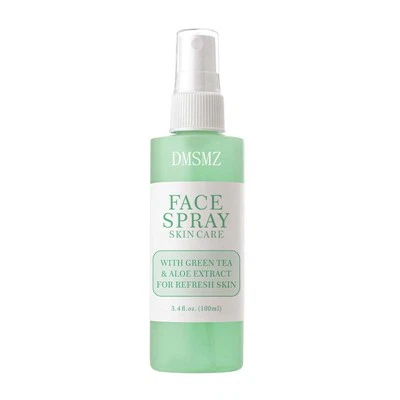
First, let’s ditch the confusion: a physical cleansing is a process that uses a tangible, touchable substance to lift, pull, or dislodge unwanted stuff from surfaces (or even skin, wait — that’s a big one I should mention) instead of relying on chemical reactions alone. I know, I know, when most people hear “cleansing,” their first thought is chemicals: surfactants, enzymes, all that stuff that breaks down grime so you can rinse it away. But physical cleansing is the muscle behind the magic, y’know? It’s the scrubbing pad on a pot with burnt mac and cheese, the toothpaste’s tiny little grit particles that get plaque off your teeth, the cotton swab with a twist of paper that pulls earwax out gently. It’s not just “physical” because you’re touching something — it’s because the action of the substance itself is doing the heavy lifting, not just a chemical that eats away at the mess.
Wait, let’s get specific so it’s not just vague. Take your kitchen: that baked-on cheese on a pan. If you just spray it with a regular dish soap (a chemical cleanser), it might not budge. But add a non-scratch scrub pad (physical cleansing tool) and a little elbow grease, and that cheese comes right off. The pad’s tiny fibers work to physically scrape the residue off the pan, while the soap’s surfactants just help the loosened grime wash down the drain. That’s physical cleansing in action. Another example: face scrubs. A lot of facial cleansers have salicylic acid (chemical) to unclog pores, but the microbeads (or the bamboo powder we use in some of our own products) — those do the physical work to slough off dead skin cells that are stuck on the surface. No chemical there, just a little grit that lifts the gunk away.
Now, why does this matter for businesses? Because chemical-only cleansing can sometimes cause issues. Think about industrial equipment: if you’re running a food processing line, leftover grease or food particles can build up in cracks. A chemical soak might get the surface, but the gunk in the crevices stays — unless you use a physical cleansing medium that can reach those tight spots. That’s where we come in, right? We supply those physical cleansing solutions tailored for all kinds of industries: food service, manufacturing, even medical (more on that later). I’ve seen too many companies waste time and money on chemical cleaners that don’t do the job, then wonder why their inspection fails. Physical cleansing is the unsung hero that makes everything work.
Let’s clear up a common myth: some people think physical cleansing is “abrasive” and always harsh. No way. It’s all about what the tangible material is made of. You wouldn’t use a steel wool pad on a non-stick pan (that’s abrasive, wrong), but a non-scratch nylon pad is gentle and still does the physical work. Same with our products: we have microfiber pads that are soft enough for delicate electronics casings, walnut shell grit that’s super gentle on stainless steel, even cellulose sponges that break down and don’t leave microplastics (a big concern these days). It’s not about being rough — it’s about having the right physical properties to get the job done without damaging the surface you’re cleaning.
Another area people don’t think about: medical settings. Wait, physical cleansing isn’t just for surfaces! When a nurse cleans a wound, they might use sterile gauze to gently dab and remove debris from the skin. That’s physical cleansing too — using a tangible material to remove foreign particles without harsh chemicals that could irritate the tissue. We’ve supplied products for medical supply companies that make those specialized gauze pads, and the feedback we get is that they reduce infection rates because they get rid of the physical debris that bacteria love to grow on. That’s a way bigger deal than just scrubbing a pot, right?
So how does physical cleansing actually work, scientifically? Let’s break it down simply (no PhD required here). The physical cleansing material has tiny, uneven surfaces (even if it looks smooth to the naked eye) that create friction when rubbed against the soiled surface. That friction generates enough force to dislodge the unwanted particles — whether that’s dirt, grease, dead skin, or food residue — and hold onto them so they don’t just spread around. Unlike chemical cleansing, which relies on molecular bonds breaking down, physical cleansing relies on mechanical force. That means it works on all kinds of particles, even ones that don’t react to chemicals. For example, if you have dust that’s caked on a shelf, a dry microfiber cloth (physical cleansing) will pick it up way better than a spray-only cleaner, because the cloth’s fibers trap the dust instead of just making it wet and move.
Now, why should your business care about physical cleansing? Let’s talk about cost first. Chemical cleansers can be expensive, especially if you’re using a lot of them. Physical cleansing tools (like our scrub pads, grits, or microfiber rolls) are often reusable, which cuts down on long-term costs. And if you’re dealing with tough messes, physical cleansing is more effective than chemicals alone — so you don’t have to waste time re-cleaning, which saves labor. We had a client in the craft beer industry a few years ago who was having trouble with their brewing equipment’s line hoses getting clogged with malt residue. They were using a chemical soak for 2 hours every night, but still had build-up. They switched to our food-grade nylon scrub brushes (physical cleansing) and a 10-minute scrub, and the problem was gone. That’s a win for them, and that’s exactly what we do.
Another big plus: sustainability. A lot of physical cleansing materials, like our plant-based cellulose sponges or walnut shell grits, are biodegradable. Chemical cleansers often have ingredients that are harmful to the environment — phosphates, synthetic surfactants, even microplastics — which can end up in waterways. If your business is trying to reduce its carbon footprint, physical cleansing is a way simpler way to do that. We’ve seen so many clients switch from chemical-heavy routines to our physical cleansing solutions and cut their plastic waste by 40% or more. That’s not just good for the planet — it’s good for your brand, too.
Wait, let’s address a confusion point I always bring up to new clients: physical cleansing isn’t a replacement for chemical cleansing. It’s a complement. Think of it like this: chemicals get rid of the “greasy” or “sticky” messes that physical tools might not lift on their own, while physical cleansing gets the particles that are stuck in cracks or pores. Using both together is way more effective than just one. For example, when you wash your car, you might use a soap (chemical) to break down road grime, then a mitt (physical) to scrub it off, then rinse. That combination works way better than just spraying soap and wiping with a dry cloth. We design our products to work with your existing chemical routines, not replace them — that’s why we’re different from other suppliers.
I’ve also seen people mix up physical cleansing with “mechanical cleansing,” and while they’re closely related, there’s a tiny difference. Mechanical cleansing is when you use a machine to do the physical work — like a pressure washer, which uses high pressure water (that’s physical) to blast grime off. Physical cleansing, though, can be manual too: a sponge, a scrub brush, a face cloth. So it’s a broader category that includes both manual and mechanical tools, all based on tangible, material-based force.
Now, let’s get into the real-world stuff. Last month, we had a client from a bakery come to us. They were having issues with their ovens — carbonized sugar and dough was building up on the walls, and their chemical oven cleaner wasn’t cutting it. They’d tried steel wool, but it was scratching the oven walls and leaving metal shavings in the food (big no-no for food safety). We suggested our non-abrasive, food-safe scrub pads made from polyester and cotton. They used the pads with a little of their existing chemical cleaner, and the carbonized sugar came right off. No scratches, no shavings, way less time spent cleaning. That’s the kind of result we live for. It’s not just about selling a product — it’s about solving a problem with physical cleansing that actually works.
Another example: skincare. A lot of people think “cleansing” is just washing your face with a bottle, but physical cleansing is part of a good skincare routine. Gentle exfoliation (which uses physical particles) helps unclog pores, reduce blackheads, and make your moisturizer work better. But you have to be careful — too harsh a physical scrub can damage your skin’s barrier. That’s why our skincare-grade physical cleansing products use microfine bamboo powder, not big gritty particles. We test every product to make sure it’s gentle on all skin types, which is why so many dermatologists recommend our lines.
Now, let’s talk about who needs physical cleansing solutions. If you’re in food service, manufacturing, automotive, medical, skincare, even janitorial — you probably do, whether you realize it or not. Every time you scrub a surface, you’re doing physical cleansing. But if it’s not working, or it’s damaging your equipment, or it’s not sustainable, it’s time to switch to a specialized solution. That’s where our team comes in. We don’t just sell you a pad or a grit — we work with you to figure out exactly what you need. Is your surface delicate? We’ll suggest microfiber. Do you need to get into tight cracks? We have angle brushes. Are you dealing with food safety? All our products are FDA-compliant. No one-size-fits-all here, which is why so many businesses have been loyal to us for years.
Wait, let’s bust one more myth: physical cleansing isn’t only for “dirty” things. Think about cleaning your phone screen. A microfiber cloth (physical cleansing) picks up fingerprints and smudges way better than a paper towel, which can scratch the glass. That’s a physical cleansing use, too — removing unwanted oil and particles from a delicate surface. Same with cleaning eyeglasses: the microfiber cloth you use is a physical cleansing tool. It’s not just for gross messes, it’s for everyday small stuff that builds up.
So why is this conversation important? A lot of people overlook physical cleansing, but it’s the foundation of so many cleaning processes. If you’re a business owner, cutting corners on physical cleansing can lead to bigger problems: equipment damage, failed inspections, increased labor costs, even safety issues. If you’re a consumer, using the wrong physical cleansing tools can damage your favorite gadgets or your skin. That’s why taking the time to understand what physical cleansing actually is, and using the right products, makes all the difference.
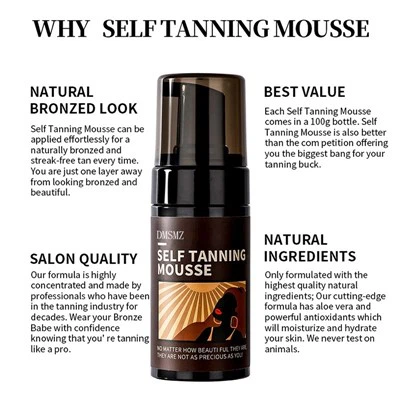
Now, if you’re tired of your current cleansing routine not cutting it, or you want to switch to more sustainable options, or you’re dealing with a specific problem that chemical cleansers can’t solve — we’re here to help. Our team has years of experience working with all kinds of industries, and we can help you find the right physical cleansing solutions for your needs. Whether you need a small order for a local bakery or a bulk supply for a large manufacturing plant, we’ve got you covered. Just reach out to our team to start a conversation about your cleansing challenges, and we’ll help you find a solution that works for you.
Mask Care References
- Occupational Safety and Health Administration (OSHA). Cleaning Agents: Types and Uses.
- U.S. Environmental Protection Agency (EPA). Sustainable Cleaning Practices Guide.
- Journal of Food Protection. Effectiveness of Physical Cleansing Methods for Food Equipment Sanitation.
- American Academy of Dermatology. Gentle Cleansing and Exfoliation for Healthy Skin.
- International Organization for Standardization (ISO). Standard for Food-Grade Cleaning Tools and Materials.
Guangdong Daimeishi Biotechnology Co., Ltd.
As one of the most professional cleansing manufacturers in China, we offer a wide range of products with superior quality. Please rest assured to buy bulk cleansing in stock here from our factory. If you have any enquiry about pricelist, please feel free to email us.
Address: Room 304, Building 3, Quantum Creation Space, No. 4, Industrial 2nd Road, Jiahewanggang, Baiyun District, Guangzhou
E-mail: 371190615@qq.com
WebSite: https://www.zgdms.com/
