As a dedicated provider of excavator buckets, I’ve witnessed firsthand the diverse demands of the construction, mining, and landscaping industries. Each project, with its unique requirements, calls for a specific type of excavator bucket. In this blog, I’ll delve into the differences between various types of excavator buckets, shedding light on their distinct features, applications, and advantages. Excavator Bucket
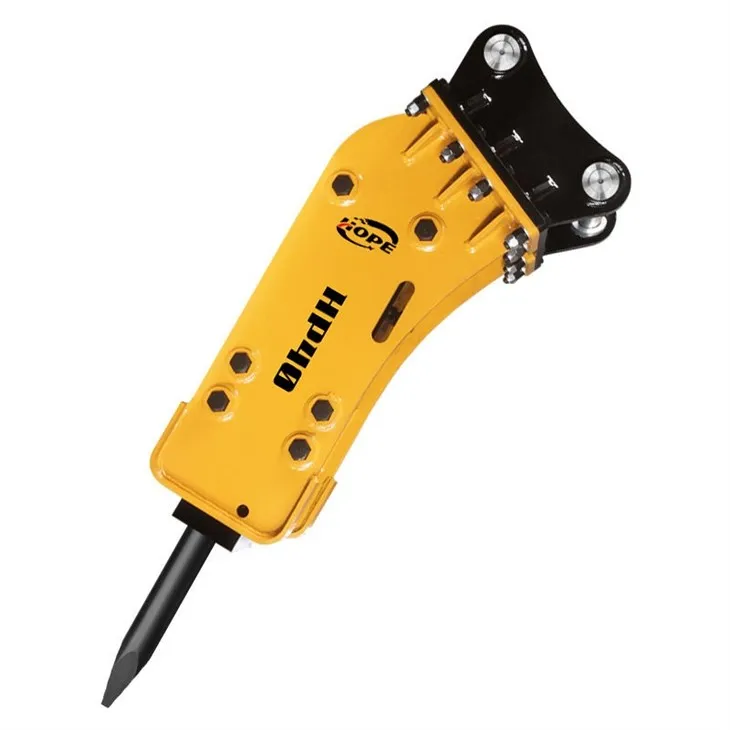
General Purpose Buckets
General purpose buckets are the workhorses of the excavator bucket world. They are designed to handle a wide range of tasks, from digging and loading to leveling and backfilling. These buckets typically have a straight cutting edge and a medium-depth design, making them versatile for use in various soil conditions, including loam, sand, and clay.
One of the key advantages of general purpose buckets is their adaptability. They can be used in various construction projects, such as building foundations, road construction, and utility trenching. Additionally, they are relatively easy to use, making them a popular choice for operators of all skill levels.
However, general purpose buckets are not without their limitations. Their design is a compromise, which means they may not be as effective as specialized buckets in certain applications. For example, they may struggle in extremely hard or rocky soils, where a more robust bucket with a reinforced cutting edge may be required.
Heavy-Duty Buckets
Heavy-duty buckets are built to withstand the toughest conditions. They are typically made from high-strength steel and feature reinforced sides, bottom plates, and cutting edges. These buckets are designed for use in demanding applications, such as mining, quarrying, and demolition.
One of the main differences between heavy-duty buckets and general purpose buckets is their durability. Heavy-duty buckets are able to withstand the high impact forces and abrasion associated with working in harsh environments. They are also better suited for handling large, heavy materials, such as rocks and concrete.
However, heavy-duty buckets are generally heavier and more expensive than general purpose buckets. This can make them less suitable for lighter applications, where the additional weight may reduce the excavator’s efficiency. Additionally, their specialized design may limit their versatility, making them less suitable for use in a variety of tasks.
Rock Buckets
Rock buckets are specifically designed for use in rocky or abrasive soils. They feature a heavy-duty construction with reinforced sides, bottom plates, and cutting edges. The cutting edge of a rock bucket is typically made from a high-strength steel alloy, which is able to withstand the high impact forces and abrasion associated with working in rocky conditions.
One of the main advantages of rock buckets is their ability to break through hard rock and other tough materials. They are commonly used in mining, quarrying, and road construction projects, where the ability to handle large, heavy rocks is essential. Additionally, rock buckets are often equipped with teeth or other digging aids, which can further improve their performance in rocky soils.
However, rock buckets are generally less versatile than general purpose buckets. Their specialized design makes them less suitable for use in softer soils, where their heavy construction may cause unnecessary damage to the ground. Additionally, rock buckets are typically more expensive than general purpose buckets, which can make them less cost-effective for some applications.
Trenching Buckets
Trenching buckets are designed for digging narrow, deep trenches. They typically have a narrow width and a deep design, which allows them to dig trenches with a high degree of precision. Trenching buckets are commonly used in utility trenching, pipeline installation, and foundation excavation projects.
One of the key advantages of trenching buckets is their ability to dig trenches quickly and efficiently. Their narrow design allows them to fit into tight spaces, while their deep design ensures that they can dig trenches to the required depth. Additionally, trenching buckets are often equipped with a smooth bottom plate, which helps to prevent the soil from sticking to the bucket and makes it easier to remove the soil from the trench.
However, trenching buckets are generally less versatile than general purpose buckets. Their specialized design makes them less suitable for use in other applications, such as loading or backfilling. Additionally, trenching buckets are typically more expensive than general purpose buckets, which can make them less cost-effective for some projects.
Grapple Buckets
Grapple buckets are designed for handling loose or irregularly shaped materials, such as logs, brush, and debris. They feature a set of hydraulic grapples, which can be opened and closed to grasp and hold the material. Grapple buckets are commonly used in forestry, landscaping, and waste management applications.
One of the main advantages of grapple buckets is their ability to handle a wide range of materials. Their hydraulic grapples allow them to grasp and hold materials of various shapes and sizes, making them ideal for use in applications where the material needs to be moved or sorted. Additionally, grapple buckets are often equipped with a quick coupler, which allows them to be easily attached and detached from the excavator, making them a versatile tool for a variety of tasks.
However, grapple buckets are generally less efficient than other types of buckets when it comes to digging or loading. Their design is optimized for handling loose materials, which means they may not be as effective as other buckets in applications where the material needs to be dug or loaded. Additionally, grapple buckets are typically more expensive than other types of buckets, which can make them less cost-effective for some projects.
Conclusion
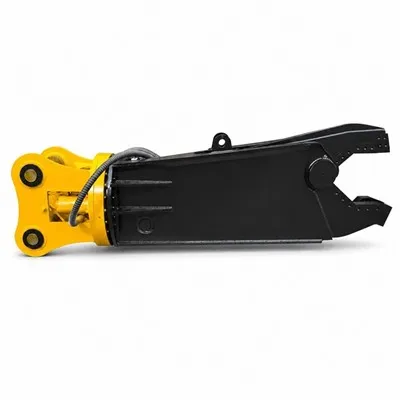
In conclusion, the choice of excavator bucket depends on the specific requirements of the project. General purpose buckets are versatile and suitable for a wide range of tasks, while heavy-duty buckets are designed for use in demanding applications. Rock buckets are ideal for working in rocky or abrasive soils, while trenching buckets are designed for digging narrow, deep trenches. Grapple buckets are useful for handling loose or irregularly shaped materials.
Quick Coupler Hitch As an excavator bucket supplier, I understand the importance of providing high-quality products that meet the needs of my customers. Whether you’re working on a small landscaping project or a large-scale mining operation, I can help you choose the right excavator bucket for your needs. Contact me today to discuss your requirements and let’s start a productive conversation about how we can collaborate to enhance your project efficiency.
References
- Construction Equipment Handbook, Various Editions
- Earthmoving Machinery: Principles and Practice by R. P. Singh
- Manual of Excavator Operations, Industry Publications
Hope Precision Machinery Co., Ltd.
As one of the most professional excavator bucket manufacturers and suppliers in China, we also support customized service. Please feel free to buy high quality excavator bucket for sale here from our factory. For more information, contact us now.
Address: No.8 Shenzhen Street, Development Zone, Yantai,Shandong ,China
E-mail: lulu@hope-breaker.com
WebSite: https://www.hopeequip.com/
