Yo, what’s up! I’m a supplier of VCSEL laser diodes, and I’ve been in this game for quite a while. Over the years, I’ve seen firsthand how various factors can affect the performance of these little wonders. So, I thought I’d share some insights with you all about what factors can have an impact on the performance of VCSEL laser diodes. VCSEL Laser Diode

First off, let’s talk about temperature. Temperature is a big deal when it comes to VCSELs. These diodes are pretty sensitive to changes in temperature. When the temperature goes up, the performance of the VCSEL can take a hit. For one thing, the threshold current, which is the minimum current needed to get the laser to lase, tends to increase with temperature. This means you’ve gotta pump in more current to get the same level of output. And that’s not all. The output power of the VCSEL also decreases as the temperature rises. It’s like the laser is getting tired and can’t shine as bright.
Now, why does this happen? Well, it all comes down to the physics of the semiconductor materials used in the VCSEL. As the temperature increases, the energy levels of the electrons in the semiconductor change. This affects the way the electrons interact with the photons in the laser cavity, making it harder for the laser to generate light. And if you’re not careful, high temperatures can even damage the VCSEL over time. So, it’s really important to keep these diodes cool. That’s why a lot of VCSEL applications use heat sinks or other cooling mechanisms to maintain a stable temperature.
Another factor that can affect VCSEL performance is the quality of the materials used in the diode. The semiconductor materials that make up the VCSEL need to be of high quality. Any impurities or defects in the material can cause problems. For example, impurities can act as traps for electrons, preventing them from participating in the laser process. This can lead to a decrease in efficiency and an increase in the threshold current.
The quality of the epitaxial layers, which are grown on the semiconductor substrate to form the VCSEL structure, is also crucial. These layers need to be grown with precise control over their thickness, composition, and doping levels. If there are any variations in these parameters, it can affect the performance of the laser. For instance, if the doping levels are too high or too low, it can change the electrical and optical properties of the VCSEL, leading to issues like poor beam quality or unstable output power.
The design of the VCSEL also plays a major role in its performance. There are different types of VCSEL designs, and each one has its own advantages and disadvantages. For example, the size of the active region of the VCSEL can affect its output power and beam quality. A larger active region can generally produce more power, but it may also result in a broader beam. On the other hand, a smaller active region can give a more focused beam, but the output power might be limited.
The reflectivity of the mirrors that form the laser cavity is another important design factor. These mirrors are what bounce the light back and forth in the cavity, allowing the laser to amplify the light. If the reflectivity of the mirrors is too low, a lot of the light will escape from the cavity before it can be amplified, resulting in a lower output power. But if the reflectivity is too high, it can make it harder for the light to get out of the cavity, also affecting the performance.
The drive current is yet another factor to consider. The amount of current you send through the VCSEL can have a big impact on its performance. When you increase the drive current, the output power of the VCSEL generally goes up. But there’s a limit to this. If you push the current too high, you can cause the VCSEL to overheat, which we already know is bad for its performance. And in some cases, excessive current can even cause permanent damage to the diode.
It’s also important to note that the relationship between the drive current and the output power isn’t always linear. At low currents, the output power may increase slowly, but as you increase the current further, the output power can increase more rapidly. However, once you reach a certain point, called the saturation point, increasing the current will no longer result in a significant increase in output power.
The quality of the electrical contacts on the VCSEL is also crucial. These contacts are what allow the current to flow into and out of the diode. If the contacts are not made properly, they can have a high resistance. This high resistance can cause a voltage drop across the contacts, which means that not all of the applied voltage is actually reaching the active region of the VCSEL. As a result, the efficiency of the laser can be reduced, and it may not perform as well as it should.
The packaging of the VCSEL is another aspect that can affect its performance. The packaging needs to provide good mechanical support for the diode and protect it from environmental factors like dust, moisture, and mechanical stress. A poorly designed or damaged package can allow these factors to enter and affect the VCSEL. For example, moisture can corrode the electrical contacts or damage the semiconductor materials, leading to a decrease in performance.
Now, I know all of this might seem a bit overwhelming, but understanding these factors is really important if you want to get the best performance out of your VCSEL laser diodes. And that’s where we come in. As a VCSEL laser diode supplier, we’ve got the expertise and experience to ensure that our diodes are of the highest quality. We carefully control the manufacturing process to minimize the impact of these factors on our products.
Whether you’re working on a consumer electronics device, a data communication system, or a medical application, we can provide you with VCSELs that meet your specific requirements. We offer a wide range of VCSELs with different wavelengths, output powers, and beam qualities to suit your needs.
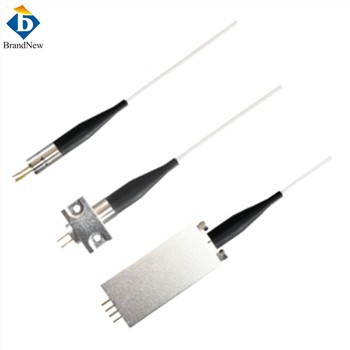
So, if you’re in the market for high – performance VCSEL laser diodes, don’t hesitate to reach out to us. We’re here to help you with all your VCSEL needs, whether it’s answering your technical questions or providing you with samples for testing. Let’s have a chat about your project and see how our VCSELs can make it a success.
CW Single Bars References
- "Semiconductor Lasers" by Peter Zory
- "Vertical – Cavity Surface – Emitting Lasers: Design, Fabrication, Characterization, and Applications" by Connie J. Chang – Hasnain
Hangzhou Brandnew Technology Co., Ltd.
Hangzhou Brandnew Technology Co., Ltd. is one of the leading vcsel laser diode manufacturers and suppliers in China, has a professional factory which manufacturers high quality vcsel laser diode and sells at competitive price. Welcome to wholesale our products made in China.
Address: 17F,Building 2, Aoqiang Mansion, No. 6 Xiyuan 5th Rd,310030 Hangzhou,China
E-mail: admin@brandnew-china.com
WebSite: https://www.brandnewdiode.com/
