In the field of textile dyeing, anti – soiling agents play a crucial role in the formulation of dyeing auxiliaries. As a supplier of dyeing auxiliaries, I have witnessed firsthand the significant impact these agents have on the dyeing process and the quality of the final textile products. In this blog, I will delve into the functions of anti – soiling agents in dyeing auxiliaries, exploring their importance and how they contribute to the overall success of the dyeing operation. Dyeing Auxiliaries
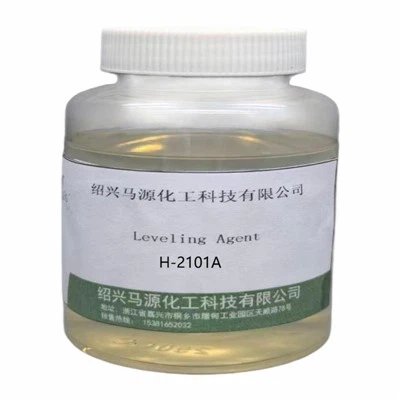
1. Preventing Redeposition of Dyes and Impurities
One of the primary functions of anti – soiling agents in dyeing auxiliaries is to prevent the redeposition of dyes and impurities on the textile substrate during the dyeing and washing processes. During dyeing, the textile material is immersed in a dye bath containing various dyes and chemicals. As the dyeing process progresses, some of the dyes may not be completely absorbed by the fibers, and impurities such as dirt, dust, and chemical residues may be present in the bath.
Without the presence of anti – soiling agents, these unattached dyes and impurities can redeposit on the already dyed areas of the fabric, leading to uneven color, staining, and a decrease in the overall quality of the dyed product. Anti – soiling agents work by forming a protective layer on the surface of the fibers. This layer acts as a barrier, preventing the dyes and impurities from adhering to the fabric. They also have the ability to disperse the dyes and impurities in the dye bath, keeping them in suspension and reducing the likelihood of redeposition.
For example, in a reactive dyeing process, reactive dyes are known to have a certain degree of hydrolysis in the alkaline dye bath. The hydrolyzed dyes are less likely to react with the fibers and can easily redeposit on the fabric. Anti – soiling agents can effectively prevent this redeposition by encapsulating the hydrolyzed dyes and keeping them away from the fabric surface.
2. Improving Dyeing Uniformity
Anti – soiling agents also contribute to improving the uniformity of the dyeing process. In a large – scale dyeing operation, it is often challenging to ensure that all parts of the textile material are dyed evenly. Factors such as the flow of the dye bath, the movement of the fabric, and the inherent differences in the fiber structure can lead to variations in dye uptake.
Anti – soiling agents help in achieving more uniform dyeing by promoting a more even distribution of the dyes in the dye bath. They can reduce the aggregation of dyes, which may cause local concentration differences in the dye bath. By keeping the dyes well – dispersed, anti – soiling agents ensure that the dye molecules have an equal chance of reaching all parts of the fabric, resulting in a more consistent color across the entire textile.
In addition, anti – soiling agents can also improve the wetting properties of the fabric. A well – wetted fabric allows the dye bath to penetrate more easily and uniformly, further enhancing the uniformity of the dyeing process. For instance, in a piece – dyeing process for woven fabrics, anti – soiling agents can help the dye bath to spread evenly across the fabric surface, reducing the occurrence of color streaks and patches.
3. Enhancing Wash Fastness
Wash fastness is an important quality parameter for dyed textiles. It refers to the ability of the dyed fabric to retain its color during washing. Anti – soiling agents can significantly enhance the wash fastness of dyed fabrics.
During washing, the mechanical action of the washing machine, the presence of detergents, and the water flow can cause the dyes to be released from the fabric. Anti – soiling agents can help to prevent this dye loss by strengthening the bond between the dyes and the fibers. They can form a protective film around the dye – fiber complex, reducing the exposure of the dyes to the washing medium.
Moreover, anti – soiling agents can also prevent the migration of dyes from one part of the fabric to another during washing. This is particularly important in multi – colored fabrics, where dye migration can lead to color bleeding and a deterioration in the overall appearance of the fabric. By inhibiting dye migration, anti – soiling agents help to maintain the integrity of the colors and improve the wash fastness of the dyed textiles.
4. Protecting the Dyeing Equipment
Another important function of anti – soiling agents in dyeing auxiliaries is to protect the dyeing equipment. Dyeing machines, such as jet dyeing machines and winch dyeing machines, are expensive and require regular maintenance. The presence of dyes, impurities, and chemical residues in the dye bath can cause corrosion, scaling, and blockages in the equipment.
Anti – soiling agents can prevent the deposition of these substances on the inner surfaces of the dyeing equipment. They can keep the dyes and impurities in a dispersed state, making it easier to flush them out of the equipment during the cleaning process. This not only extends the service life of the dyeing equipment but also reduces the frequency and cost of maintenance.
For example, in a high – temperature and high – pressure dyeing process, the use of anti – soiling agents can prevent the formation of scale on the heating elements of the dyeing machine. Scale can reduce the efficiency of the heating system and may even cause damage to the equipment if left untreated.
5. Compatibility with Other Dyeing Auxiliaries
Anti – soiling agents need to be compatible with other dyeing auxiliaries used in the dyeing process, such as leveling agents, fixing agents, and softeners. Compatibility is essential to ensure that all the auxiliaries work together effectively and do not cause any adverse effects on the dyeing process or the quality of the final product.
Most modern anti – soiling agents are designed to be compatible with a wide range of other auxiliaries. They are formulated to have a neutral or slightly alkaline pH, which is suitable for use in various dyeing systems. This compatibility allows the dyeing process to be more flexible and efficient, as different auxiliaries can be combined to achieve the desired dyeing effects.
For instance, when using a leveling agent to improve the evenness of dyeing, the anti – soiling agent should not interfere with the action of the leveling agent. Instead, they should work in harmony to enhance the overall quality of the dyed fabric.
Conclusion and Call to Action
In conclusion, anti – soiling agents are an essential component of dyeing auxiliaries. Their functions in preventing redeposition, improving dyeing uniformity, enhancing wash fastness, protecting the dyeing equipment, and ensuring compatibility with other auxiliaries are vital for the success of the dyeing process and the production of high – quality dyed textiles.
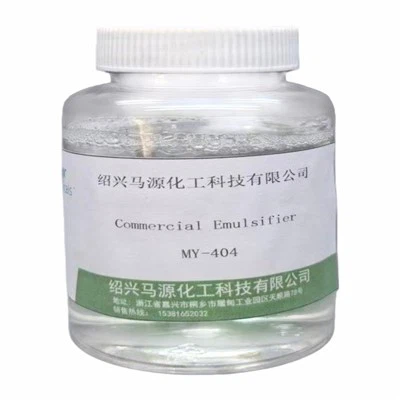
As a leading supplier of dyeing auxiliaries, we offer a wide range of anti – soiling agents that are carefully formulated to meet the diverse needs of the textile industry. Our products are backed by extensive research and development, ensuring their effectiveness and reliability.
Functional Additives If you are in the textile dyeing business and are looking for high – quality anti – soiling agents and other dyeing auxiliaries, we invite you to contact us for a detailed discussion. We are committed to providing you with the best products and technical support to help you achieve the best results in your dyeing operations.
References
- Carew, A. Dyeing Technology: Principles and Practice. Woodhead Publishing, 2018.
- Shore, J. W. Wool Dyeing: Principles and Practice. SDC Enterprises, 2019.
- Vincent, B. Surface Chemistry of Textiles. Wiley, 2020.
Shaoxing Mayor Chemical & Technology Co., Ltd.
We are one of the most reliable dyeing auxiliaries manufacturers and suppliers in China, specialized in providing high quality products with low price. We warmly welcome you to buy discount dyeing auxiliaries for sale here from our factory. For pricelist, contact us now.
Address: No. 78, Tianshun Road, Tudian Industrial Park, Tongxiang City, Jiaxing City, Zhejiang Province, China
E-mail: 627249875@qq.com
WebSite: https://www.mayorchemicals.com/
