As a seasoned supplier in the construction compressor industry, I’ve witnessed firsthand the critical role that various components play in the efficient operation of these powerful machines. Among these components, the check valve stands out as a small yet indispensable part that significantly impacts the performance, safety, and longevity of construction compressors. In this blog post, I’ll delve into the multifaceted role of the check valve in construction compressors, sharing insights based on my years of experience and in – depth knowledge of the equipment. Construction Compressor
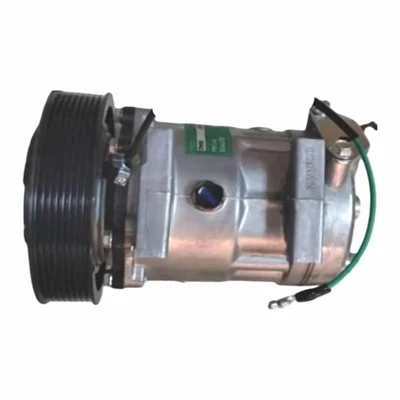
Understanding the Basics of a Check Valve
A check valve, also known as a non – return valve, is a simple mechanical device designed to allow fluid or gas to flow in one direction only. It operates automatically, without the need for external control or power. The valve typically consists of a valve body, a disc, and a seat. When the fluid or gas pressure on the inlet side of the valve is higher than the pressure on the outlet side, the disc is pushed away from the seat, allowing flow. Conversely, when the pressure on the outlet side exceeds the inlet pressure, the disc is forced against the seat, blocking reverse flow.
Preventing Reverse Flow in Compressor Systems
One of the primary functions of a check valve in a construction compressor is to prevent reverse flow. Construction compressors are designed to compress air or other gases and deliver them to the intended application at a specific pressure. During the compression process, air is drawn into the compressor through the intake valve, compressed within the cylinder, and then discharged through the outlet valve. Without a check valve, the compressed air could flow back into the compressor cylinder when the pressure in the discharge line is higher than the pressure in the cylinder. This reverse flow not only reduces the compressor’s efficiency but can also cause damage to the compressor’s internal components.
For example, in a reciprocating compressor, reverse flow can cause the pistons to work against the returning air, increasing wear and tear on the piston rings, valves, and other moving parts. Over time, this can lead to decreased performance, increased energy consumption, and costly repairs. By installing a check valve in the discharge line, the compressed air is allowed to flow out of the compressor but is prevented from flowing back in, ensuring that the compressor operates smoothly and efficiently.
Protecting Compressor Components from Damage
In addition to preventing reverse flow, check valves also play a crucial role in protecting the compressor’s components from damage. Construction compressors often operate in harsh environments, where they are exposed to dust, debris, and moisture. These contaminants can enter the compressor system through the intake or exhaust ports and cause damage to the internal components. A check valve acts as a barrier, preventing contaminants from entering the compressor through the discharge line when the compressor is not in operation.
Moreover, check valves can protect the compressor from pressure surges. Pressure surges can occur when there is a sudden change in the flow rate or pressure in the system, such as when a downstream valve is quickly opened or closed. These surges can cause excessive stress on the compressor’s components, leading to mechanical failure. The check valve helps to mitigate the effects of pressure surges by allowing the rapid release of excess pressure and preventing the backflow of the pressure wave into the compressor.
Ensuring System Safety
Safety is of utmost importance in any construction site, and the proper functioning of a construction compressor is a key part of maintaining a safe working environment. Check valves contribute to system safety in several ways. Firstly, by preventing reverse flow, they help to maintain a stable pressure in the system. Unstable pressure can lead to leaks, equipment malfunctions, and even explosions in extreme cases.
Secondly, check valves can prevent the mixing of different gases or fluids in the system. In some construction compressor applications, multiple types of gases or fluids may be present, and the mixing of these substances can be dangerous or even lethal. The check valve ensures that each fluid or gas flows in its designated direction, preventing cross – contamination.
Improving Energy Efficiency
Energy efficiency is a major concern in the operation of construction compressors, as they can consume a significant amount of energy. A well – functioning check valve can contribute to improved energy efficiency by reducing wasted energy associated with reverse flow and pressure losses. When the check valve prevents reverse flow, the compressor does not have to work as hard to maintain the desired pressure in the system. This means less energy is consumed, resulting in lower operating costs and a reduced carbon footprint.
In addition, modern check valves are designed with low – pressure drop characteristics. A low – pressure drop means that the valve offers minimal resistance to the flow of fluid or gas, allowing the compressor to operate more efficiently. By choosing a high – quality check valve with a low – pressure drop, construction companies can further optimize the energy efficiency of their compressor systems.
Maintenance and Replacement of Check Valves
Like any other component in a construction compressor, check valves require regular maintenance and, eventually, replacement. Over time, the disc and seat of the check valve can wear out due to the constant flow of fluid or gas and the impact of pressure changes. This wear can lead to leaks or reduced valve performance.
Regular inspection of the check valve is essential to ensure its proper functioning. During the inspection, the valve should be checked for signs of wear, corrosion, or damage. If any issues are detected, the valve should be repaired or replaced immediately. It’s also important to follow the manufacturer’s recommendations for maintenance and replacement intervals.
Quality Matters in Check Valve Selection
As a construction compressor supplier, I understand the importance of using high – quality check valves. Inferior quality check valves may not provide reliable performance, leading to increased downtime, maintenance costs, and safety risks. When selecting a check valve for a construction compressor, several factors should be considered, including the valve’s material, size, pressure rating, and flow capacity.
The material of the check valve is critical, as it needs to be compatible with the fluid or gas being compressed and resistant to corrosion and wear. Common materials for check valves include stainless steel, brass, and cast iron. The size of the valve should be appropriate for the compressor’s capacity and the flow requirements of the system. Additionally, the pressure rating of the valve should match or exceed the maximum operating pressure of the compressor to ensure safe and reliable operation.
Conclusion
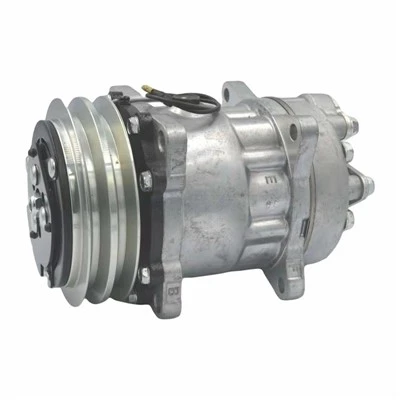
In conclusion, the check valve is an essential component in a construction compressor, playing a vital role in preventing reverse flow, protecting compressor components, ensuring system safety, and improving energy efficiency. As a construction compressor supplier, I emphasize the importance of using high – quality check valves and providing proper maintenance to ensure the long – term performance and reliability of the compressor systems.
Construction Compressor If you are in the market for a construction compressor or need to replace or upgrade the check valves in your existing system, I invite you to reach out to me for advice and to discuss your specific requirements. Our team is dedicated to providing top – quality products and exceptional customer service. We understand the unique challenges faced by construction companies and are committed to helping you find the best solutions for your compressor needs. Let’s start a conversation about how we can work together to optimize your construction compressor system.
References
- Compressor Handbook: Fundamentals and Applications, various authors.
- Industrial Valves: Selection and Sizing, Second Edition, by Dietrich G. Jaworski.
- Standards for Compressor Safety and Performance, published by relevant industry associations.
Jiangsu Nuoyan New Energy Vehicle Air Conditioning Co., Ltd.
With abundant experience, we are one of the most professional construction compressor manufacturers and suppliers in China. We warmly welcome you to buy customized construction compressor at competitive price from our factory. Also, quotation is available.
Address: No. 7 Xingyuan Road, Huangqiao Economic Development Zone, Taixing City, Jiangsu
E-mail: nuyantech2026@163.com
WebSite: https://www.nuyantech.com/
