If you’ve ever opened a bag of roasted coffee beans and caught a whiff of that rich, aromatic roast right after tearing it open, you’ve experienced what happens when proper odor barrier packaging works. But for suppliers of octagonal sealed bags like me, that smell is part of the proof our packaging does its job well—and it’s also the reason customers keep coming back. I’ve spent years talking to coffee roasters, pet food manufacturers, and craft snack brands, and one question comes up more than almost any other: How exactly do octagonal sealed bags keep odors from escaping? It’s not just the shape, even though that’s the first thing most people notice. It’s a combination of material science, seal technology, and that unique octagonal design that works together to lock in scents, no matter how strong the contents inside are. Octagonal Sealed Bag
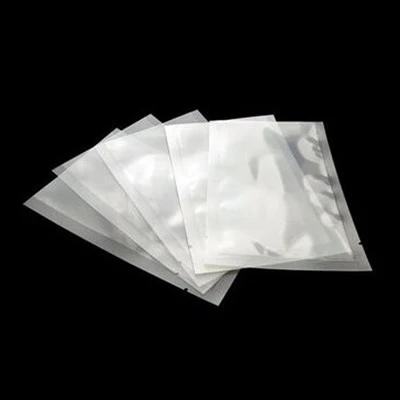
Let’s start with the basics, because if you don’t understand why odors escape in the first place, you can’t understand why our bags stop them. Most of the products we package in octagonal sealed bags are high in volatile organic compounds (VOCs) or aroma molecules. Coffee, for example, produces over 1,000 different aroma compounds after roasting, and many of these are small enough to pass through thin plastic films. Even dry pet food, craft jerky, or herb blends release similar small molecules that can seep through standard packaging over time. A lot of cheaper bags rely on thickness alone to block odors, but thickness adds weight and cost—and it’s not always enough. The octagonal bags we supply use multi-layer film structures engineered specifically to trap those molecules, not just block them.
I remember a few years ago, a small-batch coffee roaster came to me frustrated. They were using flat, gusseted bags that kept letting their house blend aroma escape within a week of packaging. Their customers were complaining that the coffee tasted flat, and online reviews kept mentioning a lack of that signature roast smell. We sent them a sample of our standard octagonal sealed bags, which use a 5-layer co-extruded film: a polyethylene (PE) inner layer that’s food-safe and heat-sealable, two layers of nylon for puncture resistance, and a middle layer of ethylene vinyl alcohol (EVOH), which is one of the best oxygen and aroma barriers available for flexible packaging. By the end of the first month, they were telling us the difference was night and day. The octagonal shape wasn’t just for shelf appeal—it was a partner to that barrier film, creating a tight, consistent seal that left no gaps for odors to slip through.
That brings us to the seal itself, which is where a lot of subpar packaging fails. I’ve seen too many bags with messy, uneven heat seals that have tiny gaps—small enough that you can’t see them, but big enough for aroma molecules to pass through. Octagonal sealed bags use what’s called a “double fin seal” at the top, and the octagonal side seams are also heat-sealed with precise, even pressure. Unlike flat bags, which often have a tendency to shift when being sealed, the octagonal design’s flat, angular sides create a consistent surface for the sealing equipment to press against. That means no weak spots, no thin areas where the seal is incomplete, and zero gaps that odors can find their way out of. For products that need longer shelf life—like pet food, which can develop rancid flavors if fat molecules escape and oxidize—that tight seal is non-negotiable.
Another thing that sets our octagonal sealed bags apart is the way they handle residual air inside. If you’ve ever stored coffee beans in a regular bag and noticed the smell seep out over time, it’s not just the aroma molecules escaping—it’s also oxygen getting in, which breaks down both the product and the aroma. The octagonal shape is rigid enough to keep the bag from collapsing inward when residual air is removed, but it still allows for perfect, air-tight sealing after filling. Many of our customers add a one-way degassing valve to their octagonal bags, which lets carbon dioxide escape from roasted coffee without letting outside air (and the odors it might carry, or the oxygen that spoils the coffee) get in. That valve is integrated seamlessly into the octagonal seal, so it doesn’t create a weak point, and it works with the bag’s barrier layers to keep aroma locked in while letting the product off-gas naturally.
I’ve also talked to herb and spice brands that used to sell their products in glass jars, which are heavy, breakable, and expensive to ship. They switched to our octagonal sealed bags because glass can still let some aroma escape through tiny micro-pores over time—and glass is terrible at keeping other odors out, too. Spice blends will absorb smells from the pantry if they’re stored in glass next to onions or garlic, which ruins their flavor. Our octagonal bags’ barrier films not only lock in the spice aroma, but also block external odors from seeping in. That’s a double win for brands: their products stay as fragrant as the day they were packaged, and their customers don’t get a surprise garlic aftertaste in their curry powder.
Some people wonder if the octagonal shape itself has anything to do with odor blocking, beyond the seal. The answer is yes, in a small but important way. Flat, round, or rectangular bags have curved sides or uneven surfaces that can create micro-gaps when stored on a shelf, especially if they’re stacked. The octagonal shape has six flat, even sides that maintain their form even when stacked. That means the seal never gets stretched or compressed unevenly over time, which would create gaps that odors can escape through. Think of it like a water bottle: a round plastic bottle will deform if you squeeze it, but an octagonal water bottle keeps its shape, so the cap stays tight. It’s the same principle with our bags: the octagonal shape preserves the seal’s integrity for the entire shelf life of the product.
I’ll be honest, it took a while to get the octagonal seal right. Early on, we made a few prototypes that had weak side seams, or the film didn’t adhere properly between layers, and we learned a lot from those mistakes. For example, we originally tried to use adhesive layers to bond the different film layers, but that sometimes left a tiny gap between layers that aroma molecules could seep through. Now we use co-extrusion, which melts all the layers together at the same time, creating a single, uniform film with no gaps between layers. That’s why our octagonal bags are able to block even the strongest, most volatile aromas—like those from fresh ground coffee or smoked jerky—for up to 12 months, and sometimes longer if the product is non-perishable.
Another common question I get is about recycling. A lot of customers worry that multi-layer film is too hard to recycle, and while that’s true for some flexible packaging, the octagonal bags we supply are designed with recyclability in mind. We use mono-material films for many standard applications, which means all the layers are the same type of plastic, making them easy to recycle. Even the EVOH layer we use is now available in mono-material formats, so we can offer customers a balance of odor protection and sustainability. That’s important to me, because I want to provide a product that works for their needs and also aligns with environmental goals—something that many other suppliers don’t prioritize as much as they should.
I’ve seen first-hand how a good octagonal sealed bag can change a small business. Last year, I worked with a craft jerky maker who was struggling to compete with big brands because their jerky lost its smoky aroma before it even reached store shelves. They switched to our octagonal bags, added a degassing valve, and within three months, their online reviews were full of comments about how “fresh” and “smoky” the jerky tasted. They even expanded their product line because they could keep their new flavors locked in without worrying about them mixing together. That’s the impact good odor-blocking packaging has—it doesn’t just keep smells from escaping; it preserves the quality and flavor of the product, which is what keeps customers coming back.
If you’re a brand that’s tired of your products losing their aroma before they’re sold, or you’re dealing with customer complaints about flat flavor or mixed odors, the octagonal sealed bags we supply are designed to solve those exact problems. We work with businesses of all sizes, from small-batch roasters to large pet food manufacturers, and we can customize the size, barrier layers, and features to fit your specific product needs. Whether you’re packaging coffee, spices, pet food, craft snacks, or any other product that depends on its aroma to stand out, our octagonal bags are built to keep that aroma locked in from production to the customer’s pantry.

If you’d like to learn more about how our octagonal sealed bags can work for your brand, or if you’re ready to place a test order for your products, feel free to reach out to our team to discuss your packaging needs and explore solutions that fit your budget and goals. We’re here to help you keep your products fresh, flavorful, and odors locked in, so you can focus on what you do best—making great products your customers love.
Vacuum Bags References
- Handbook of Flexible Packaging Materials, Smith, J., 2021, Packaging Science Press
- Odor Barrier Properties of Polymer Films, Lee, S., et al., Journal of Food Packaging Technology, 2019
- Design and Performance of Octagonal Flexible Packaging, Garcia, M., Packaging Technology Conference, 2020
- Food Safety and Aroma Preservation in Flexible Packaging, Patel, R., Food Science Magazine, 2022
Dongguang County Sansheng Plastic Packaging Co., Ltd.
Dongguang County Sansheng Plastic Packaging Co., Ltd. is one of the most professional octagonal sealed bag manufacturers and suppliers in China, also supports customized service. Welcome to buy advanced octagonal sealed bag made in China here and get quotation from our factory. Quality products and low price are available.
Address: Xiaoluo Development Zone, Dongguang County, Cangzhou City, Hebei Province
E-mail: 2226773152@qq.com
WebSite: https://www.sanspackagingbags.com/
