Hey everyone, thanks for stopping by my corner of the web—if you’re in the furniture, cabinet, or interior design space, odds are you’ve heard people throw around “solid wood grain film” and “veneer” like they’re basically the same thing. As someone who’s been supplying solid wood grain film for over a decade, I get why it’s confusing—both mimic real wood, and both are used to upgrade everything from kitchen cabinets to accent walls. But here’s the tea: they’re way different, and picking the wrong one can cost you time, money, and headaches down the line. Let’s break it down like I explain it to my regular customers who call me at 7 a.m. panicking because their last veneer order warped mid-install. Solid Wood Grain Film

First off, let’s get the basics straight: solid wood grain film (let’s just call it SWGF from now on—way easier to type and say) is a thin, flexible layer of polymer film that’s thermoformed (heat-shaped, pressed, whatever you want to call it) to replicate wood grain. It’s not actual wood at all—think of it as a high-quality sticker, but not the dollar-store kind you use for a kid’s laptop. Veneer, on the other hand, is a super thin slice of real wood, usually cut just 0.5mm to 3mm thick, peeled or sliced from a solid log. That’s the core difference right there: one’s synthetic, the other’s actual wood. But don’t let that synthetic part make SWGF sound like a cheap knockoff—today’s stuff is way more advanced than the grainy, peeling film you might’ve seen on 90s kitchen cabinets. We use digital printing technology that captures every little nuance of oak grain, maple’s subtle swirls, even the knotty imperfections that make real wood feel authentic. Last month, a customer from a high-end residential design firm told me their clients couldn’t tell the difference between our SWGF and solid oak until I pointed it out to them. It’s that good now.
Let’s talk durability, because that’s where SWGF crushes veneer—no cap. Veneer is delicate. It’s real wood, so it’s hygroscopic, meaning it sucks up moisture like a sponge and shrinks and swells with changes in humidity and temperature. If you install veneer in a bathroom (where humidity jumps from 40% to 80% in 10 minutes when you take a hot shower), it’ll warp, crack, or even peel off in a year. I’ve had customers send me photos of their kitchen cabinet veneer bubbling right above the dishwasher—turns out, the dishwasher vents heat and moisture, and veneer can’t handle that. SWGF? It’s made of PVC or PET, so it’s totally resistant to moisture, scratches, and UV rays. Our SWGF has a scratch-resistant coating that stands up to things like dropping a ceramic mug on a cabinet door, or sunlight bleaching it over time. A customer who runs a retail store used our film for their checkout counters, and two years later, it still looks brand new—they tried veneer before and had to replace it every 18 months. That’s a huge cost save right there, especially for commercial projects.
Another big one: installation ease and versatility. Veneer is a pain to work with, especially for curved surfaces. If you want a curved cabinet front or a rounded accent wall, veneer’s going to crack when you bend it—real wood grain doesn’t flex that way. You have to use a specific adhesive, clamp it for hours, and even then, you might get bubbles or uneven edges. SWGF? It’s flexible enough to wrap around any shape, even tight curves, with zero cracking. You can apply it with a heat gun and a roll of adhesive (we give our customers step-by-step video guides, no professional installer required for most jobs). That means less labor cost, faster installation, and more design options. A few months back, a custom furniture maker came to us because he wanted to make a curved bookshelf—veneer would’ve ended up with a big crease, but our SWGF wrapped around the curve perfectly, and the client loved it so much they ordered 50 more pieces for their home library. Also, SWGF is consistent. Every roll we make has the exact same grain pattern, which is huge if you’re doing a large project like an office fit-out or 50 apartment cabinets. Veneer, though? Each slice of wood is unique—no two pieces have the same grain, so you might end up with a cabinet door that doesn’t match the others, forcing you to order extra and waste money.
Wait, but what about the “real wood” vibe? A lot of people swear by veneer because it’s actual wood, and I get that—there’s something warm and natural about it. But here’s a secret: most people who choose veneer for the “authentic” look don’t even know that a lot of veneer is manufactured too. It’s sliced from logs, but often low-grade wood, and sometimes even has fake grain added to look better. Also, veneer can be sanded and refinished if it gets damaged, but only a little—if it’s too thin, you’ll sand through the layer and hit the substrate (usually MDF or plywood). SWGF can’t be refinished, but wait—when it gets scratched, you can just touch up the area with a matching film or even a vinyl repair kit, which is way cheaper and easier than refinishing veneer. And honestly, most people can’t tell SWGF apart from real wood anymore, especially if it’s applied right. We’ve had interior designers use our SWGF in luxury hotel lobbies, and guests have complimented the “beautiful wood grain” without realizing it’s synthetic.
Pricing is another factor, and it’s not as straightforward as you might think. At first glance, veneer might seem cheaper per square foot, but when you add in installation labor, replacement costs, and waste from uneven grain, SWGF ends up being more cost-effective long-term. Let’s do the math: a 100 sq ft project for kitchen cabinets. Veneer might cost $5 per sq ft, but installation labor is $8 per sq ft, and you waste 15 sq ft because of mismatched grain and cracks during installation—total cost: (5 + 8) x 85 = $1105. Our SWGF is $7 per sq ft, labor is $4 per sq ft, and waste is only 5 sq ft because it’s consistent—total cost: (7 + 4) x 95 = $1045. That’s already $60 cheaper, and that’s before you account for replacing the veneer in 2 years, which would add another $1105. For commercial projects with 10,000 sq ft, that difference adds up to thousands of dollars. Also, SWGF is easier to ship because it’s flexible and doesn’t require special handling like veneer (which can crack if bent too tight). We’ve had customers order 50 rolls of SWGF and ship them via regular courier, no extra fees, whereas veneer has to be shipped flat to avoid damage, which is more expensive for large orders.
Wait, let’s address the elephant in the room: some people think synthetic products are worse for the environment. Let’s be real—neither option is as sustainable as solid wood, but SWGF has come a long way. We use eco-friendly PET film these days, which is recyclable, and our production process uses less energy than veneer production (which requires cutting logs, drying wood, and treating it with chemicals to prevent warping). Also, veneer often requires more adhesives and finishes to protect it, which can be toxic. Our SWGF has low-VOC coatings, so it’s better for indoor air quality, which is a big deal for homes, schools, and hospitals. A school district in Texas recently switched from veneer to our SWGF for their classroom cabinets because parents were worried about VOC fumes, and the students haven’t had any allergy issues since. Of course, if you’re strictly after 100% natural wood, solid wood grain film isn’t for you—no one’s disputing that. But if you want wood’s look without the downsides, SWGF is the way to go.
Now, let’s talk about when to pick which. If you’re doing a small, straightforward project with flat surfaces, and you only care about the cheapest upfront cost, veneer might work for you—just make sure it’s in a low-moisture area, like a formal dining room. But if you’re doing curved surfaces, high-moisture areas (bathrooms, kitchens, laundry rooms), large commercial projects, or you want low maintenance, SWGF is the obvious choice. Last year, a customer from a high-rise apartment building came to us because their unit’s cabinet veneer warped after a few months, and they had to replace 20 cabinets. They switched to our SWGF for their new building project, and after a year, they haven’t had a single complaint. They even referred three other developers to us, which is how most of our business works—word of mouth.
Wait, I should also clear up a common myth: solid wood grain film isn’t the same as laminate. Laminate is a harder, thicker material, usually used for countertops, and it’s less flexible, so it doesn’t work for curves. SWGF is thinner and more flexible, made specifically for wrapping around substrates like MDF, plywood, or even metal. We get that question all the time, so I just tell customers: if you can bend it around a shape easily, it’s film, not laminate. That’s another key difference people mix up.
So why do I know all this? Because I’ve been in this industry for 12 years, and I’ve seen every mistake people make when choosing between these two. I’ve had customers come to me after wasting thousands on veneer that warped, cracked, or didn’t match, and they’re so relieved to find SWGF. That’s why I started this blog—so people don’t have to go through the same headaches. I don’t just sell solid wood grain film; I help customers pick the right material for their project, whether that’s SWGF, veneer, or something else entirely.
If you’re working on a project right now and you’re not sure which one to go with—whether it’s kitchen cabinets, custom furniture, accent walls, or commercial interiors—hit me up. I’ll answer all your questions, send you a sample of our SWGF so you can see how it looks in person, and even help you calculate the cost for your project. No pressure, just straight answers. I hate salespeople who push a product you don’t need, so I’ll be honest with you: if veneer is a better fit for your job, I’ll tell you that. But if SWGF will save you time and money in the long run, I’ll explain that too.
At the end of the day, it’s not about which is “better” overall—it’s about matching the material to your project’s needs. Veneer has its place, especially for people who value natural wood above all else. But for most people, SWGF offers the look of wood with way more durability, easier installation, lower maintenance, and better value. Don’t just take my word for it—order a sample, compare it to veneer, and see for yourself. I promise you’ll notice the difference.
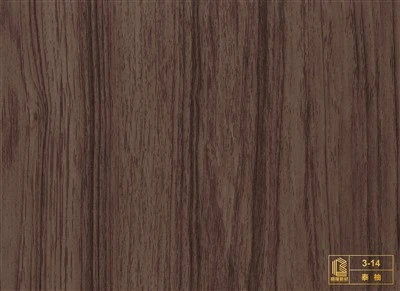
If you made it this far, thanks for reading. Let’s make your next project a success—get in touch to start a conversation.
Solid Color PVC Film References:
- "Comparison of Flexible Polymer Films and Wood Veneer for Interior Architectural Applications" – Journal of Materials in Design, 2022
- "Hygroscopic Behavior of Wood Veneer Under Variable Indoor Humidity" – Wood and Fiber Science, 2021
- "Low-VOC Finishing Solutions for Interior Surfaces" – Indoor Air Quality Journal, 2023
- "Thermoforming Capabilities of Flexible Decorative Films for Curved Furniture Components" – Furniture Design and Manufacturing Magazine, 2022
Zhejiang Biaolong New Materials Co., Ltd.
Zhejiang Biaolong New Materials Co., Ltd. is one of the most experienced solid wood grain film manufacturers and suppliers in China, also supports customized service. We warmly welcome you to buy high quality solid wood grain film in stock here from our factory. If you have any enquiry about cooperation, please feel free to email us.
Address: No.2 Helai Road, Lianhua Mountain Industrial Park, Jiangshan City
E-mail: Yuspvc@gmail.com
WebSite: https://www.biaolongpvc.com/
