If you’ve ever stood under a solar array on a bright, windy day and wondered how those metal frames stay anchored to the roof or ground for decades, you’re not alone. As a photovoltaic bracket system supplier who’s spent the last 12 years on job sites—from residential rooftops in Florida that face hurricane-force winds to utility-scale farms in Texas that bake under 110-degree summer heat—I’ve seen firsthand how a single skipped safety step can turn a smooth install into a disaster. Over the years, I’ve worked alongside electricians, roofers, and engineers to refine our installation protocols, and I’m here to share the non-negotiable safety precautions that every team must follow when putting up PV brackets. Photovoltaic Bracket System
First and foremost, personal protective equipment (PPE) isn’t just a box to check—it’s the first line of defense. I’ve seen a technician reach for a socket wrench without gloves and end up with a deep cut from a sharp aluminum bracket edge; another skip fall protection on a 3-story rooftop and suffer a broken ankle that sidelined them for six months. For PV bracket installs, PPE needs to be specific, not generic. Hard hats with chin straps aren’t enough—they should have extended brims to shield against falling debris from stacked bracket packages. Cut-resistant work gloves (nitrile-coated for grip when handling metal) are non-negotiable, as even the smoothest extruded aluminum bracket has sharp edge burrs from manufacturing. On rooftops, fall protection isn’t optional for anyone working 6 feet or higher: that means a full-body harness tied to an approved anchor point, not a flimsy rope tied to a gutter or a solar panel frame. I also recommend non-slip work boots with metatarsal guards—roof tiles and metal surfaces get slippery when wet or covered in solar flux, and a heavy bracket falling on your foot is a serious injury. Eye protection is another must: side shields should be mandatory when cutting or drilling steel brackets, as flying shavings can catch in eyes even with goggles.
Next, site assessment and preparation can’t be rushed—this is where most preventable hazards start. Before a single bracket is unloaded, you need to conduct a full walkthrough of the site, and this isn’t just for measuring dimensions. For rooftop installs, you have to check the roof’s load-bearing capacity: too many teams assume residential roofs can hold the weight of a PV array, but old asphalt shingle roofs or roofs with rotting trusses can’t support even a small system. I once had a client in Arizona call us back to fix a bracket system because their original installer never checked the roof’s load rating; within a year, the brackets were sagging and the roof had developed a leak from fasteners driven through water-damaged plywood. For ground-mount systems, you have to test the soil composition: soft clay or loose sand can’t support concrete footings, and if you don’t use helical anchors or steel piles instead, the brackets can shift during heavy rains or high winds. You also need to identify underground utilities before any drilling or excavation: calling the local 811 service (or your country’s equivalent) is non-negotiable, and I always have a technician stand by the excavation area to listen for utility lines while another digs with a hand auger, not a power tool that could hit a line. Finally, clear the site of any debris, loose rocks, or tripping hazards—stacked bracket boxes should be at least 3 feet away from walkways, and no tools should be left lying around on rooftops or excavated areas.
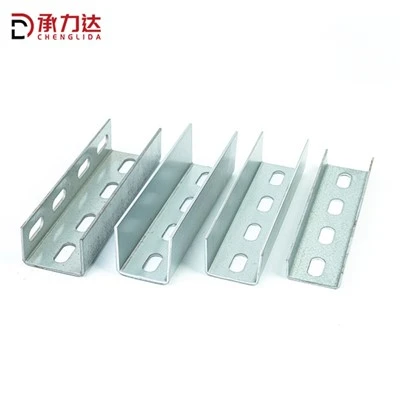
Bracket handling and installation techniques are where safety meets the quality of the final system, and cutting corners here leads to both injuries and long-term failures. Aluminum brackets are lightweight, which makes them easy to carry, but that also means a 10-foot length can swing and hit someone if it’s not carried properly. The rule I teach my team is to never carry a long bracket alone—always have two people for pieces over 6 feet, and make sure the bracket is clear of any power lines during transit, especially on steep rooftops. When it comes to fastening brackets, torque specifications are not a suggestion—they’re a safety requirement. I’ve seen installers use a regular wrench to tighten bolted bracket connections, and over time, those loose bolts can cause the array to shift, leading to panels falling during a storm or creating gaps that let water in. Every bracket we supply comes with a torque chart, and we require installers to use a calibrated torque wrench for every bolt, with a second technician verifying torque on 10% of connections to catch errors. Also, never modify brackets on-site: cutting, drilling, or bending a bracket that’s been precision-engineered for wind and load ratings compromises its structural integrity. If a bracket is too long or short for the site, contact us—we offer custom-cut components with no extra lead time, and modifying a stock bracket can void both our warranty and the installer’s safety protocols.
Electrical safety is another critical, often overlooked aspect of PV bracket installs, because brackets act as the grounding system for the entire array. PV systems generate DC voltage even when the sun isn’t shining, so you have to treat every wire and bracket as energized during installation. First, disconnect the main grid power at the service panel before starting work, and post a lockout/tagout (LOTO) sign to prevent someone from turning the power back on accidentally. For grounding, the bracket system must be properly bonded to the array’s grounding conductor, and you can never use a bracket’s fastener as the only grounding point—we always provide separate grounding lugs that are bolted to the bracket’s designated grounding pad, with a 6AWG copper wire connecting to the main grounding rod. I once had a team that skipped the extra grounding lug and used the bolt hole, and during a follow-up inspection, we found the bolt had rusted after six months, creating a dangerous electrical fault risk. Also, never run electrical wires under brackets or over sharp edges—we supply wire clamps that secure wires to the bracket, preventing insulation damage that can lead to shorts or shocks. For ground-mount systems, make sure the grounding rod is driven at least 8 feet deep, not just a few inches, to ensure proper electrical conductivity, which also protects against lightning strikes that can damage the entire array.
Weather-related safety is something that’s easy to forget when you’re working with solar equipment, but PV bracket installs are weather-sensitive by nature. Wind speeds are the biggest risk here: I’ve seen a 20-foot steel bracket fly across a job site during a sudden gust, injuring a technician, so we strictly prohibit installing brackets when wind speeds exceed 20 miles per hour, and we suspend work immediately if wind picks up during the job. Rooftop installs in rain or snow are even more dangerous—wet roofs have a traction coefficient that drops by 50%, and snow adds weight that can cause falls, so we pause work when there’s standing water, ice, or forecasted rain for the next two hours. Extreme heat is another hazard: solar panels and metal brackets absorb heat, and temperatures over 90 degrees increase the risk of heat exhaustion, heat stroke, and burns from hot metal. We mandate that installers take 10-minute breaks every hour in shaded areas, and we provide cooling towels and electrolyte drinks on all job sites. Never work on brackets that are covered in snow or ice—use a rope to pull them down from the rooftop once they’re installed, and only handle them when they’re thawed to prevent slips.
Finally, post-installation safety checks are not just for the client—they protect your team and ensure the system is safe long-term. After installing all brackets, our technical team conducts a full inspection: checking torque on every bolt, verifying grounding connections, making sure brackets are level and aligned, and testing for any sharp edges that weren’t noticed during installation. We also provide the client with a maintenance guide that includes safety reminders: never climb on the array without proper fall protection, never modify brackets without contacting a certified technician, and inspect brackets after extreme weather (hurricanes, tornadoes, heavy snow) for damage. I always tell clients that a bracket system is only as safe as its install, and skipping a single step can lead to years of headaches—from safety risks to costly repairs.

At the end of the day, installing a PV bracket system is a team effort, and safety is non-negotiable for every person on the job. Whether you’re a seasoned installer or a new technician learning the ropes, following these precautions doesn’t just protect you—it ensures the array will perform as intended for 25+ years, withstanding whatever the elements throw its way. If you’re planning a PV bracket installation and need high-quality, engineered components that meet all safety standards, or you’re looking for guidance on install protocols, reach out to our team to discuss your project requirements. We can provide custom bracket solutions, on-site technical support, and training to ensure your install is safe, efficient, and built to last.
Other Photovoltaic Accessories References
National Fire Protection Association (NFPA) 70: National Electrical Code
Occupational Safety and Health Administration (OSHA) 29 CFR 1926: Safety Standards for Construction Work
International Code Council (ICC) Solar Photovoltaic Installation Code
Underwriters Laboratories (UL) 1703: Standard for Safety for Flat-Plate Photovoltaic Modules and Panels
Wuxi Chenglida Machinery Co., Ltd.
We are one of the most professional photovoltaic bracket system manufacturers and suppliers in China, also support customized service. Please feel free to buy durable photovoltaic bracket system made in China here from our factory. Quality products and reasonable price are available.
Address: No.4 Ruifeng Road, Huishan District, Wuxi City
E-mail: postmaster@wxcldjx.com
WebSite: https://www.wuxi-chenglida.com/
