When it comes to the manufacturing and construction industries, cutting tools are indispensable assets. As a dedicated cutting tools supplier, I have witnessed firsthand the importance of these tools in various work environments. However, with great utility comes great responsibility. Ensuring the safety of those who use cutting tools is not only a moral obligation but also a key factor in maintaining productivity and preventing costly accidents. In this blog, I will share some essential safety precautions that every user of cutting tools should be aware of. Cutting Tools

1. Personal Protective Equipment (PPE)
The first line of defense when using cutting tools is appropriate personal protective equipment. This includes:
Safety Glasses or Goggles
Flying chips and debris are common hazards when using cutting tools. Safety glasses or goggles protect your eyes from these projectiles. They should fit snugly and be made of impact – resistant materials. For example, when using a band saw to cut metal, small metal shavings can fly off at high speeds. Without proper eye protection, these shavings could cause serious eye injuries, including corneal abrasions or even permanent vision loss.
Gloves
Gloves provide protection against cuts, abrasions, and chemical exposure. However, it’s important to choose the right type of gloves. For sharp cutting tools like knives or scalpels, cut – resistant gloves made of materials such as Kevlar are ideal. When working with power – driven cutting tools, avoid loose – fitting gloves as they can get caught in the machinery. For instance, in woodworking, gloves with a good grip can prevent the workpiece from slipping, reducing the risk of accidental cuts.
Ear Protection
Many cutting tools, especially power tools, generate high levels of noise. Prolonged exposure to this noise can lead to hearing loss. Earplugs or earmuffs should be worn to reduce the noise level to a safe range. For example, a high – speed metal cutting saw can produce noise levels well above the safe limit. Wearing ear protection can significantly reduce the risk of long – term hearing damage.
Respirators
When cutting certain materials such as wood, stone, or metal, dust and fumes can be generated. These particles can be harmful if inhaled. A respirator should be worn to filter out these contaminants. For instance, cutting asbestos – containing materials (which is now highly regulated but still possible in older buildings) can release extremely dangerous fibers. A proper respirator can prevent these fibers from entering the lungs.
2. Tool Inspection and Maintenance
Regular inspection and maintenance of cutting tools are crucial for safe operation.
Pre – use Inspection
Before using any cutting tool, a thorough inspection should be carried out. Check for any signs of damage, such as cracks, chips, or dull blades. A damaged blade is more likely to break during use, causing injury. For example, a circular saw blade with a crack can shatter when under stress, sending sharp pieces flying in all directions. Also, ensure that all moving parts are properly lubricated and that the tool is properly assembled.
Maintenance Schedule
Establish a regular maintenance schedule for your cutting tools. This includes sharpening blades, replacing worn – out parts, and cleaning the tools. A dull blade requires more force to cut, which can lead to loss of control and accidents. For instance, a dull drill bit may cause the drill to bind, resulting in the drill spinning out of control. By keeping the tools in good condition, you not only ensure safety but also extend the lifespan of the tools.
3. Safe Operating Procedures
Following safe operating procedures is essential when using cutting tools.
Read the Manual
Before using any cutting tool for the first time, read the manufacturer’s manual carefully. The manual provides important information about the tool’s proper use, limitations, and safety precautions. For example, some power tools may have specific requirements for the type of workpiece they can cut, or the maximum speed at which they should operate.
Use the Right Tool for the Job
Using the wrong cutting tool for a particular job can be extremely dangerous. Each cutting tool is designed for a specific purpose, and using it outside of its intended use can lead to tool failure and injury. For example, using a utility knife to cut through thick metal wire is not only ineffective but can also cause the blade to break and fly off.
Secure the Workpiece
Always make sure the workpiece is securely clamped or held in place before cutting. An unstable workpiece can shift during cutting, causing the tool to veer off course and potentially causing injury. For instance, when using a table saw, a loose piece of wood can be pulled into the blade at an unexpected angle, resulting in serious cuts.
Keep Hands and Fingers Clear
Maintain a safe distance between your hands and fingers and the cutting edge of the tool. Use push sticks or other appropriate devices to guide the workpiece when necessary. This reduces the risk of accidental contact with the blade. For example, when using a band saw, using a push stick to feed a small piece of wood safely through the saw can prevent your fingers from getting too close to the blade.
Do Not Overreach
Avoid overreaching when using cutting tools. Overreaching can cause you to lose balance and control of the tool. If you need to reach a workpiece that is out of your normal range, reposition yourself or use an appropriate extension. For example, when using a reciprocating saw to cut a high – up pipe, standing on a stable ladder and using the proper reach will prevent falls and loss of control of the tool.
4. Training and Supervision
Proper training and supervision are vital for the safe use of cutting tools.
Training Programs
Provide comprehensive training programs for all employees or users of cutting tools. The training should cover the proper use of the tools, safety procedures, and emergency response. New employees should receive hands – on training from experienced operators. For example, in a manufacturing plant, new workers should be trained on how to safely operate a CNC cutting machine, including programming, setup, and maintenance.
Supervision
In work environments, adequate supervision should be provided, especially for novice users. A supervisor can ensure that safety procedures are being followed and can intervene if unsafe practices are observed. For example, in a construction site, a supervisor can monitor workers using power saws to make sure they are wearing the appropriate PPE and following the correct operating procedures.
5. Storage and Handling
Proper storage and handling of cutting tools are also important for safety.
Storage
Cutting tools should be stored in a safe and organized manner. Keep them in a toolbox or a designated storage area where they are protected from damage and are out of the reach of unauthorized personnel, especially children. Blades should be covered or sheathed to prevent accidental cuts. For example, a set of kitchen knives should be stored in a knife block with the blades properly inserted to avoid anyone getting cut when reaching for other items.
Handling during Transport
When transporting cutting tools, take precautions to prevent them from shifting or falling. Use a sturdy container or a tool belt with secure compartments. For example, if you are transporting a set of hand saws in a toolbox, make sure they are properly secured so that they do not move around and cause damage or injury during transit.
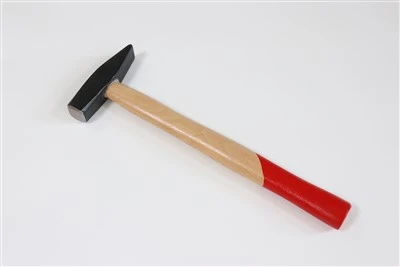
In conclusion, the safe use of cutting tools is a multi – faceted responsibility that involves proper PPE, tool inspection and maintenance, adherence to safe operating procedures, training and supervision, and correct storage and handling. As a cutting tools supplier, I am committed to not only providing high – quality tools but also promoting safety in their use. If you are in need of cutting tools for your business or project and are looking for reliable products and safety guidance, I encourage you to reach out and start a procurement discussion. We can work together to find the right cutting tools for your specific needs while ensuring the safety of your team.
Cutter and Knives References
- "Safety in the Use of Hand and Machine Tools" by the Occupational Safety and Health Administration (OSHA)
- "Cutting Tool Technology" by various industry experts in manufacturing and safety publications.
Shandong Shining Import & Export Co., Ltd.
Founded in 1986, We are one of the most professional cutting tools manufacturers in China. With abundant experience, we warmly welcome you to buy advanced cutting tools for sale here here from our factory. If you have any enquiry about customized service, please feel free to email us.
Address: No.06073, Unit A, Building 2, Yihe Three Road, Comprehesive Bonded Zone, Linyi City, Shandong Province, China
E-mail: info@shiningtool.com
WebSite: https://www.shiningtool.com/
