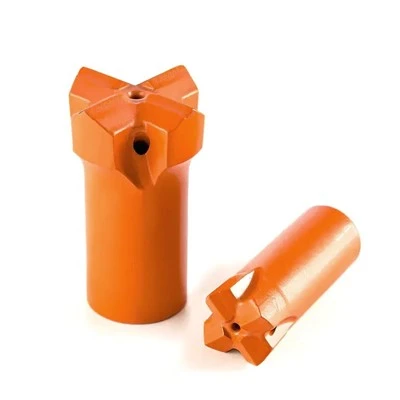
Hey there! I’m a supplier of button bits, and I’m stoked to share with you how to install a button bit. Whether you’re a seasoned pro in the drilling game or just starting out, getting the installation right is crucial for making the most out of your button bit. So, let’s dive in! Button Bit
Getting Prepared
First things first, before you even think about installing that button bit, you gotta get all your gear together. You’ll need a few key things. Obviously, you need the button bit itself. Make sure it’s the right size and type for your drilling job. Check the specifications of your drilling equipment to match them up.
You’ll also need a drill rod. This is what connects the button bit to the drilling machine. It’s super important to pick a drill rod that’s in good condition. Look for any signs of wear and tear, like cracks or bends. If you spot any of these issues, get a new one. You don’t want a faulty drill rod affecting your button bit performance.
Another essential tool is a wrench. You’ll use this to tighten and loosen things during the installation process. A good-quality adjustable wrench is usually a great choice as it can fit different sizes of nuts and bolts.
Inspecting the Button Bit
Once you’ve got all your tools ready, take a good look at the button bit. You want to make sure it’s in top-notch shape. Check the buttons themselves. These are the hard, little tips on the bit. They’re what do the actual cutting. Look for any chips, cracks, or excessive wear and tear. If you find any problems, it might be wise to replace the button bit or have the damaged buttons repaired.
Also, check the shank of the button bit. This is the part that connects to the drill rod. It should be clean and free of any debris or rust. If there’s dirt or rust on the shank, use a wire brush to clean it off. A clean shank ensures a good connection between the button bit and the drill rod.
Connecting the Button Bit to the Drill Rod
Now, it’s time to connect the button bit to the drill rod. Most button bits have a threaded connection. This means you’ll screw the button bit onto the drill rod. Before you start screwing, apply a little bit of anti-seize compound to the threads. This helps prevent the threads from seizing up or corroding over time.
Take the button bit and align it with the end of the drill rod. Start screwing it on by hand. Make sure it’s going on straight. If it starts to go on at an angle, you could damage the threads. Once you’ve tightened it as much as you can by hand, grab your wrench. Use the wrench to give it a few more turns and really tighten it down. But don’t over-tighten! If you tighten it too much, you could damage the threads or even crack the button bit.
Mounting the Drill Rod and Button Bit Assembly
After you’ve connected the button bit to the drill rod, it’s time to mount the whole assembly onto the drilling machine. This part can vary depending on the type of drilling machine you’re using. Usually, there’s a chuck or a holder on the machine where you’ll insert the drill rod.
Insert the end of the drill rod into the chuck or holder. Make sure it’s inserted all the way and centered properly. Then, use the locking mechanism on the chuck or holder to secure the drill rod in place. Double-check that it’s really tight. You don’t want the drill rod coming loose during the drilling process.
Performing a Test Run
Once you’ve installed the button bit and mounted the drill rod on the machine, it’s a good idea to do a test run. Before you start drilling into your actual target, run the drilling machine at a low speed for a few seconds. Listen for any strange noises or vibrations. If everything sounds and feels normal, you can gradually increase the speed.
During the test run, keep an eye on the button bit. Make sure it’s cutting smoothly and evenly. If you notice any issues, like the bit wobbling or not cutting properly, stop the machine immediately. There could be a problem with the installation, and you’ll need to check it again.
Fine – Tuning
Even after a successful test run, you might need to do some fine – tuning. If the button bit isn’t cutting as effectively as you’d like, you can adjust the drilling parameters. This could include things like the speed of the drill, the feed rate (how fast the bit is pushed into the material), and the pressure applied.
For example, if the bit is getting dull quickly, you might need to reduce the speed or increase the feed rate. On the other hand, if the bit is struggling to cut through the material, you might need to increase the speed or apply more pressure. Just make small adjustments at a time and see how it affects the drilling performance.
Maintenance Tips Right After Installation
Once you’ve got your button bit installed and running smoothly, it’s important to keep up with maintenance. After each use, clean the button bit and the drill rod. Use a wire brush to remove any dirt, debris, or rock particles that might be stuck to them.
Inspect the button bit again for any new signs of wear and tear. If you notice any issues, address them right away. This could mean replacing a damaged button or having the bit resharpened.
Regularly check the connection between the button bit and the drill rod. Make sure the threads are still in good condition and that the bit is tightly secured. Loose connections can cause all sorts of problems, including reduced drilling efficiency and damage to the equipment.
Why Choose Our Button Bits
Now that you know how to install a button bit, you might be wondering why you should choose our button bits. Well, we take pride in offering high – quality button bits that are made to last. Our bits are crafted from the best materials, so they can handle tough drilling jobs without wearing out quickly.
We have a wide range of button bits to choose from. Whether you’re drilling through soft rock, hard rock, or even concrete, we’ve got a bit that’s perfect for the job. And if you’re not sure which bit to pick, our team of experts is always here to help you make the right choice.
What’s more, we offer great customer service. We understand that buying button bits can be a big investment, and we want to make sure you’re completely satisfied with your purchase. That’s why we’re always available to answer your questions and provide support.
Contact Us for a Purchase

If you’re interested in buying our button bits, we’d love to hear from you. Whether you’re a small – scale operation or a large – scale construction company, we can provide you with the right products at a competitive price.
Drill Rod Just reach out to us to start a conversation. We can discuss your specific needs, provide you with a quote, and help you figure out the best button bit for your project. Don’t miss out on the opportunity to work with a reliable button bit supplier.
References
- Drilling Equipment Handbook: This handbook provides in – depth knowledge about different types of drilling equipment, including button bits and how they work.
- Mining and Construction Equipment Magazine: Articles in this magazine often cover the latest trends and best practices in the use of button bits and other drilling tools.
Super Rock Machinery Equipment (Qingdao) Co., Ltd.
We are one of the most professional button bit manufacturers and suppliers in China, featured by quality products and good price. Please feel free to buy advanced button bit for sale here from our factory. Welcome to view our website for more information.
Address: No. 45, Pengwan Road, Qianwan Bonded Port Area, Qingdao Sub-district, Free Trade Pilot Zone, Shandong China
E-mail: sales@superrocktools.com
WebSite: https://www.superrocktools.com/
