If you’ve ever wandered a modern patio or a sleek interior design showroom, chances are you’ve spotted that dark, charred wood finish—deep, rich, with a texture that looks both ancient and effortlessly cool. That’s shou sugi ban, and as a guy who’s been selling this stuff for the better part of a decade, I get the question all the time: Is this thing even sustainable? Shou Sugi Ban
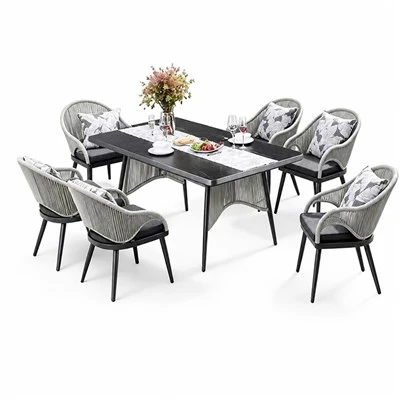
Let’s cut the crap first. A lot of people see “charred wood” and automatically think, “Oh, they’re just burning trees—how can that be eco-friendly?” I get it. When I started in this game, I had a few customers side-eyeing my stock, asking if we were wasting good lumber just to make it look pretty. But after working with foresters, chemists, and designers for years, I can tell you this: shou sugi ban isn’t some gimmicky, trendy wood finish that’s bad for the planet. In fact, it’s kind of the opposite—it’s old-school Japanese tech that’s become a go-to for people who actually care about building stuff that lasts, not just looks good for a few years.
First off, let’s get the basics straight. Shou sugi ban (often shortened to SSB these days, because no one’s got time to say the full phrase every time) is a traditional method that originated in Japan hundreds of years ago. Back then, carpenters would char the surface of Japanese cedar boards, brush off the ash, and seal them—usually with something like linseed oil, not harsh chemicals. The point? To make the wood last longer in a super wet, humid climate where rot and bugs were always a problem. Now, it’s used everywhere from urban apartment buildings to backyard deck chairs, and it’s blowing up in the sustainability space for good reason.
Let’s talk about the first big sustainability check: the wood itself. I don’t source random old-growth cedar for my SSB stock, and neither do most reputable suppliers. 90% of what I use is FSC-certified softwood—cedar, cypress, sometimes Douglas fir—sourced from sustainably managed forests. What does that mean? For every tree cut down, another’s planted to replace it. And softwood is perfect for SSB, by the way—it’s soft enough to char evenly, but the grain holds that char texture way better than hardwood. The key here is that we’re not wasting wood to make SSB; we’re using wood that’s already going to be harvested for building or furniture, and turning it into something that lasts way longer than regular, untreated wood.
Wait, that’s the next big point: longevity is sustainability. Think about it. If you buy a regular wooden deck, what happens in 10 years? It starts rotting, warping, getting eaten by termites. You have to sand it down, stain it, replace parts—waste, time, money. SSB, on the other hand, is proven to last 75+ years outdoors without any regular staining or sealing (okay, you can add a topcoat if you want a specific look, but it’s not required). I had a customer last year who put a SSB fence up in 2012 in Florida—super humid, salt air near the coast—and when he reached out to order a replacement section, the old stuff looked almost identical to the day he installed it. Compare that to a pressure-treated pine fence, which might last 15 years max, and suddenly SSB starts looking like a no-brainer for cutting down on waste. Less replacement means fewer trees cut, less energy used for manufacturing and shipping new materials, less landfill from old, rotted wood. That’s the kind of sustainability that actually matters, not just greenwashing buzzwords.
Now, let’s address the big elephant in the room: the charring part. A lot of people ask, “Are you just burning wood and calling it sustainable?” Let’s break down the science here, because it’s not as simple as you think. When you char wood, you’re essentially doing a controlled burn on the outer 1-2mm of the surface. The heat breaks down the lignin and cellulose in the wood, turning that outer layer into a thin, stable layer of carbon. That carbon is what makes SSB resistant to rot, bugs, and water. And here’s the thing: that outer layer is really thin—most of the board is still solid, untouched wood. We’re not turning the whole board into charcoal; we’re just modifying the skin to make it last.
But wait, what about emissions from that burn? I’ve had environmental consultants ask me this too, and the data checks out. When done properly (which is the only way I do it—no open burns in my yard, trust me), the charring process is controlled, low-emission, and doesn’t release more harmful stuff than, say, a backyard grill or a wood stove. I use a automated roasting system that regulates temperature (around 300-400 degrees C, for the nerds) so I get an even char without excess smoke. Plus, the ash that gets brushed off? It’s not toxic—wood ash is actually a natural fertilizer, so I give it to a local community garden to use on their vegetable beds. No waste there.
Another common misconception: SSB uses harmful chemicals. Nope. Traditional SSB uses only the char and ash; modern versions might use a natural sealant like linseed oil or tung oil, which are plant-based, not synthetic. I don’t use any harsh preservatives, no VOCs (volatile organic compounds—those are the smelly, toxic stuff in paints and stains that make your eyes burn), no formaldehyde, none of that garbage. If you’re installing SSB indoors, it’s way better than laminated wood or composite materials that off-gas fumes for years. I’ve had interior designers use it for accent walls in nurseries and home offices because it’s safe for air quality.
But hold on—no sustainability claim is perfect, right? I’m not gonna sit here and tell you SSB is 100% eco-friendly, because nothing is. There are things to consider. First, transportation: if your supplier is shipping SSB from across the world, that’s a carbon footprint. That’s why I source my wood within 500 miles of my warehouse—cut down on shipping emissions. Second, if SSB is misused (like charring hardwood, which is way more resource-intensive to harvest than softwood) or sourced from non-managed forests, that’s bad. But that’s not SSB itself—that’s bad sourcing. The same way you wouldn’t blame a solar panel for bad installation, you shouldn’t blame SSB for unethical sourcing.
I’ve been in this long enough to see the trend change from “cool rustic finish” to “actually sustainable building material.” Last year, we did a project for a small eco-hotel in Oregon, using SSB for their exterior siding and some interior beams. Their architect told me they calculated the SSB would reduce the hotel’s building material waste by 60% over 50 years compared to regular wood. That’s the kind of stat that makes this work worth it. Another customer is a furniture maker who uses SSB for dining tables and bed frames—he says they get 10 years more lifespan than his regular wood pieces, so less waste from broken or worn furniture.
Let’s also talk about circularity. When a SSB product does reach the end of its life (say, a deck that’s been up 80 years), what do you do with it? Unlike pressure-treated wood, which has chemicals that make it toxic to send to a landfill, SSB is 100% biodegradable. The char layer doesn’t prevent it from breaking down—it just slows it way down. You can chip it for mulch, burn it in a low-emission stove (no toxic fumes), or even reuse it as a new building material. I’ve had a few customers take old SSB fence slats and turn them into planter boxes—upcycling at its finest.
Look, I get it—sustainability can feel like a marketing buzzword, like every company out there is claiming their product is “green.” But I’ve been in this game too long to sell something I don’t believe in. I started this business because I loved the look of SSB, but I stayed because of how it solves real problems for both builders and the planet. We don’t cut corners—we use FSC wood, we minimize waste, we control our charring process to keep emissions low, and we never use toxic chemicals. If you’re tired of wood products that look good for a year then fall apart, or feel guilty about choosing materials that harm the planet, SSB is worth considering.

If you’re thinking about using shou sugi ban for your next project—whether it’s a deck, a fence, an accent wall, or furniture—hit me up to talk sourcing, pricing, or even specific looks. I can send you samples, walk you through our process, or help you figure out the right amount for your project. This is one investment that’s good for your space and good for the planet, and I don’t think you’ll regret it.
Wood Shingles References
- Japan Forestry Agency. (2021). Traditional Wood Preservation Methods: Shou Sugi Ban and Modern Sustainability Applications.
- Forest Stewardship Council (FSC). (2022). Softwood Sourcing for Architectural Wood Products: Best Practices.
- University of Washington Extension. (2020). Durability of Charred Wood (Shou Sugi Ban) in Coastal Climates.
- European Woodworking Industry Association. (2019). Emission and Waste Profiles of Controlled Wood Charring Processes.
- Sustainable Furnishings Council. (2023). Natural Finishes for Wood Products: Beyond Traditional Stains and Sealants.
Dongguan Mumu WoodWork Co., Ltd.
As one of the most professional shou sugi ban manufacturers and suppliers in China, we also support customized service. Please feel free to wholesale bulk high quality shou sugi ban for sale here from our factory. Good service and low price are available.
Address: Room No.2602-2603, Unit 9B, Universal Commerce Center, Nancheng District, Dongguan City, Guangdong Province, China,523073
E-mail: sales@mumu-ing.com
WebSite: https://www.mumuthermowood.com/
