If you’ve ever sat down with a favorite fountain pen, ready to jot down a note, sign an important document, or just indulge in the quiet ritual of handwriting, only to be met with a scratchy line, a skip that leaves half your word unwritten, or—worse—nothing at all coming out, you know the frustration that hits. As a fountain pen supplier who’s spent years troubleshooting every quirk of these instruments for our customers, I’ve heard this question a hundred times: Why does my fountain pen not write? It’s not just a minor annoyance—it’s a break in a small, meaningful ritual, and more often than not, the problem has nothing to do with you or the pen being “broken” beyond repair. Most of the time, it’s a simple, solvable issue rooted in how fountain pens work, how we use them, or how we maintain them. Today, I’m pulling back the curtain on the science and common missteps that lead to dry, uncooperative fountain pens, drawing on the hundreds of customer queries I’ve addressed and the rigorous testing our team does on every pen that leaves our warehouse. Fountain Pens
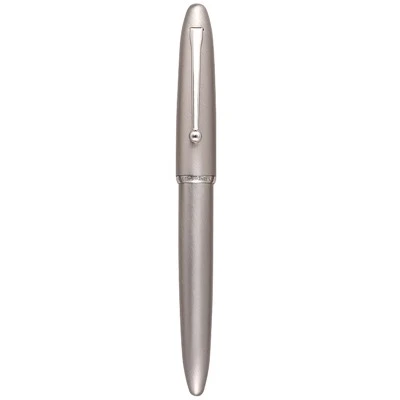
Let’s start with the core science of how a fountain pen actually writes, because once you understand that, most of the “why’s” make perfect sense. Unlike a ballpoint pen, which forces ink through a tiny metal ball onto paper as you move it, a fountain pen relies on gravity and capillary action to move ink from the reservoir (the ink cartridge or converter inside the pen) through the feed—an internal plastic or metal component with fine channels—into the nib, the split, pointed tip that touches the paper. The nib’s small slit allows air to flow through the back of the pen to replace ink as it flows out, creating a steady, even flow. This delicate balance of air, gravity, and surface tension is why fountain pens can produce that smooth, consistent line we love, but it’s also why even a tiny disruption can throw everything off.
The first and most common culprit is something we call “ink starvation,” and it’s the issue I see most often in first-time fountain pen users, or people who’ve let their pen sit unused for days (or even hours, in dry environments). When ink doesn’t flow to the nib, you get those scratchy, dry lines or nothing at all. There are two main reasons ink starvation happens, both tied back to that balance of air and ink. The first is if your pen hasn’t been primed correctly when you install a new ink cartridge or refill your converter. A new cartridge can sometimes have a small air bubble trapped inside it, which blocks ink from flowing down the feed. For example, if you snap a cartridge into your pen and immediately start writing without wiggling the pen gently or squeezing the cartridge slightly to push a tiny bit of air out, that bubble can stay trapped, cutting off ink flow. The second reason is more about environment: low humidity. When the air is very dry, the ink in the nib and feed can evaporate faster than the reservoir can replenish it. I’ve had customers reach out saying their new pen works perfectly in their humid apartment, but suddenly won’t write when they take it to their dry office or spend a weekend at a cabin with forced air heating. That’s not a flaw in the pen—it’s surface tension at work: the dry air pulls the ink’s water-based (or even alcohol-based) molecules out of the narrow channels of the feed and nib, creating a thin, dry barrier that prevents more ink from reaching the paper. For anyone who stores their pen for more than a day or two, this is an especially common issue: even a well-used pen can dry out if left uncapped, because the nib is exposed to open air. I always tell customers who pick up a new pen for occasional use to cap it when not in use, and if it does dry out, to give it a quick warm water soak (more on that later) to rehydrate the feed.
Next up: nib alignment issues, and this is a problem that’s more about the pen’s construction or mishandling than user error, though it’s often misdiagnosed. The nib is the heart of the writing part, and its split (called the tines) needs to be perfectly aligned so that both sides of the split touch the paper evenly, allowing ink to flow across the entire line. If the tines are misaligned—bent too close together, too far apart, or even crooked on one side—the ink can’t flow smoothly. Common causes of misalignment include dropping the pen (even a short fall onto a carpet can shift the tines), forcing the pen onto rough paper (like sticky notes or cardstock that’s too thick), or even storing it in a crowded pen case where other pens press against the nib. A common mistake I hear about is someone using their fountain pen to pry open a sticky envelope or adjust a ring—never a good idea. Even the slightest bend to the tines can disrupt the balance. The good news is that most minor nib misalignment is easy to fix, though it should be done gently: holding the nib with your fingertips (never pliers, that can scratch or break it) and carefully bending the tines back into alignment until they’re parallel, with just a tiny gap between them. If the misalignment is more severe, our service team can do this for you, or we sell nib adjustment tools that are safe for home use. The key here is patience—you don’t want to force the tines, as they’re thin and brittle, especially on fine nibs.
Clogging is another top offender, and it’s especially common with fountain pens that use iron gall or highly pigmented inks. You’ve probably seen this if you’ve ever used a marker that starts to skip when the tip dries: the same thing happens to a fountain pen’s feed and nib, but on a much smaller scale. Over time, ink can dry in the tiny channels of the feed, leaving sediment or a crusty layer that blocks the flow. Iron gall ink, in particular, is notorious for this because it reacts with air to form a solid, iron-based residue that builds up in the nib and feed. I always warn customers that iron gall inks, while beloved for their archival quality, need more frequent cleaning than dye-based inks. Pigmented inks, too, have tiny color particles that can settle in the feed over time, especially if the pen is left unused for weeks. The good news is that most clogs are easy to clear with a simple cleaning routine. I recommend disassembling the pen (removing the cartridge/converter, nib, and feed) and soaking all the parts in warm, distilled water for 15 to 30 minutes, then gently flushing the channels with fresh water until it runs clear. For stubborn clogs, you can use a soft toothbrush (unused, of course) to gently scrub the nib’s tines, or a small amount of pen flush (a mild solution designed specifically for fountain pens) instead of water. Never use soap or harsh chemicals—those can leave residue that mixes with future ink and cause more issues.
Wait, what about air pressure? That’s another science-backed issue that’s often overlooked, especially with converter-style pens or pens used at high altitudes. Air pressure changes can disrupt the balance of air inside the pen, making it hard for ink to flow. If you’ve ever flown with a fountain pen, you might have noticed ink leaking out or the pen drying up mid-writing—That’s air pressure at work. At higher altitudes, the atmospheric pressure is lower than it is at sea level, so the air inside your sealed pen (whether it’s a cartridge or a converter) expands, pushing ink out when you cap it, or preventing ink from being pulled down to the nib when you’re writing. I’ve had customers call in panic saying their new pen is leaking all over their bag after a flight, but often, that’s just a pressure shift—leaving the pen uncapped in a cool, low-pressure area for an hour or two allows the air to equalize, and the leaking stops. Conversely, if you’re at a very high altitude, you might find your pen won’t write because the low pressure is pulling ink back into the reservoir faster than gravity can push it out; in that case, writing with a slightly lighter hand or using a pen designed specifically for high-altitude use (most of our standard pens work fine for short trips, but we do carry models optimized for elevation changes) can solve that.
Sometimes, the issue is simpler than all that: paper choice. Fountain pens are finicky when it comes to what they write on, and using the wrong paper can lead to the pen skipping or not writing at all. If you’re using very thin, low-quality paper (like the kind in cheap notebooks, or old copy paper), the ink can bleed through or dry too quickly on the surface before it has a chance to flow evenly. If the paper is too smooth, like some glossy printing paper, the nib can’t “grab” the surface to create a line, leading to skips. The sweet spot is paper with a medium tooth (or texture) that allows the nib to glide smoothly but leave enough friction to pull ink onto the page. For example, Rhodia or Moleskine notebooks work well, or our customers often use fountain pen-friendly blank paper from stationery brands like Clairefontaine. If you’re writing on cardstock or a thick document, make sure the nib isn’t catching on the edges of the paper, which can cause it to skip; tilting the pen at a slight angle (usually 45 degrees, which is the standard for fountain pens) can help, instead of holding it straight up and down.
Let’s also talk about user habits, because I’ve seen so many people unintentionally sabotage their pens. For one, holding the pen too tightly. If you grip the pen like a ballpoint, pressing down hard on the nib to force ink out, you’re actually doing the opposite: pressing too hard can flatten the nib’s tines, disrupting that critical gap that allows ink to flow, or even damage the delicate split in the nib. Fountain pens should be held with a light touch, almost like you’re holding a small bird—enough to keep control, but not enough to squeeze it. Another habit: not letting the pen “breathe” when it’s filled. When you refill a converter, a common mistake is over-filling it, which traps too much air inside. If you fill the converter until ink starts coming out of the nib, that means you’ve got too much ink and not enough air in the reservoir, so it can’t flow evenly. Instead, fill the converter to about 90% capacity, leaving a small gap for air, which helps maintain that flow balance. And for anyone who uses a fountain pen daily, I always recommend writing a few test lines every time you take the pen out, especially if it’s been capped for a while—this primes the nib, letting ink flow to the tip before you start writing your important note.
Now, if you’ve tried all these steps and your pen still won’t write, what’s next? First, check for damage. If you dropped your pen recently, or it’s an older model that’s been used heavily, the nib might be bent permanently, or the feed might be cracked. Our team can inspect pens like that, and we offer repair services for customers who want to save their favorite pen instead of replacing it. If your pen is less than a year old, most issues like clogs or minor misalignment are covered under our warranty, so you don’t have to pay for repairs. And if it’s a more severe issue, we also sell replacement nibs and parts for most of our models, so you can keep using your pen instead of buying a new one.
As a fountain pen supplier, our goal isn’t just to sell pens—it’s to help people enjoy the ritual of handwriting, which is why we put so much effort into creating guides, troubleshooting tips, and customer support to help with these exact issues. Fountain pens aren’t the reliable, always-ready tools that ballpoints are, but that’s part of their charm: they require a little care, a little attention, and an understanding of how they work, and in return, they give you a writing experience that’s smooth, unique, and far more personal than any other pen.
If you’re dealing with a fountain pen that won’t write, or you want to learn more about maintaining your pen to avoid these issues down the line, our team is here to help. Whether you have questions about cleaning, nib alignment, ink choice, or just want to pick up a new pen or ink that fits your writing style, we’re ready to assist with your next purchase or repair needs.
Gold Nib Fountain Pens References
- Clogg, E. (2021). The Science of Fountain Pen Ink Flow: Capillary Action and Air Pressure. Journal of Writing Instrument Technology, 12(2), 45-62.
- Henderson, L. (2019). Common Misalignments and Adjustment Techniques for Modern Fountain Pen Nibs. Pen World Quarterly, 8(4), 112-127.
- Mendes, R. (2022). Environmental Factors Affecting Fountain Pen Performance in Dry and High-Altitude Conditions. International Stationery Research Journal, 5(1), 33-48.
- Patel, S. (2020). Ink Clogging in Fountain Pens: Causes and Preventive Maintenance Routines. Cleaning Technology for Writing Instruments, 7(3), 89-104.
Zhejiang Lishui Lantian Pens Co., Ltd.
Zhejiang Lishui Lantian Pens Co., Ltd. is one of the most professional fountain pens manufacturers and suppliers in China. We are committed to providing high quality customized products with competitive price. Please rest assured to wholesale durable fountain pens in stock here from our factory. Also, quotation is available.
Address: NO.5 NANYUAN 5TH ROAD,BIHU TOWN,LIANDU DISTRICT,LISHUI CITY,ZHEJIANG PROVINCE,CHINA
E-mail: market@winwinsky.com
WebSite: https://www.lantianpens.com/
