Hey everyone, let’s cut to the chase—if you’ve ever been shopping for activewear, loungewear, or even basic tees, you’ve probably spotted two materials popping up more than any others: modal and polyester. As someone who’s been in the modal fabric game for over 8 years now, I get all the questions, and one I hear almost daily is, “Is modal actually better than polyester?” Spoiler: it’s not a one-size-fits-all answer, but there’s way more to this than just the trendy label everyone’s hyping lately. Let’s break it down like we’re grabbing coffee (I’ll skip the jargon, promise). Modal Fabric
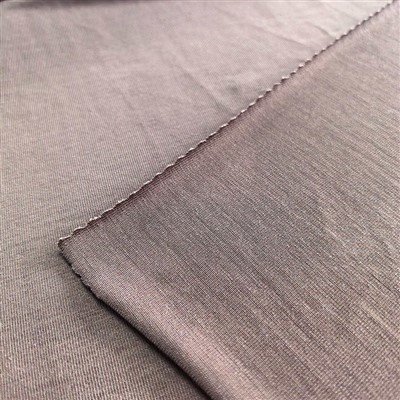
First, let’s start with the basics so we’re all on the same page. Polyester is a synthetic fiber—man-made from plastic, specifically petroleum. It’s the same stuff that makes soda bottles and clothing hang tags, for crying out loud. Modal? That’s a semi-synthetic fiber, made from beech tree pulp. It’s part of the viscose family, but it’s processed differently to be softer and more durable than regular viscose. I know, semi-synthetic still sounds “not natural,” but stick with me here—it’s way different from chugging plastic and turning it into fabric.
Let’s talk comfort first, because that’s what most people care about when they pick a fabric. I’ll be honest—I used to sell a mix of both, but I switched to focusing almost entirely on modal about 5 years ago because my customers kept coming back for the soft stuff. Polyester, while cheap, is plastic. Even the “performance” ones? They’re great for wicking sweat when you’re running a 5K, but for everyday wear—like wearing a tee to work or pajamas to bed—it has that weird, scratchy, plastic-y feel if it’s not a high-thread-count blend. Modal? It’s like wearing a cloud. The beech pulp is broken down into super fine fibers that are silky smooth, stretchy without losing shape, and way more breathable than even the softest polyester I’ve tested. I’ve had customers tell me their modal tees feel like they’re wrapped in nothing, whereas polyester always leaves them feeling sticky after an hour. That’s not just placebo—studies show modal has a moisture regain rate of around 11%, compared to polyester’s 0.4% moisture regain. Wait, what does that mean? It means modal absorbs sweat so it evaporates, instead of trapping it against your skin like polyester does. Game changer for hot summer days or long work shifts.
Next up: durability. This is where people usually go, “Wait, I thought polyester was tough!” and yeah, it is—if you’re roughhousing, hiking, or doing heavy workouts. Polyester doesn’t stretch out, it doesn’t pill as much (well, that’s if it’s the tightly woven kind), and it holds up to bleach and high heat in the dryer like a champ. But here’s the catch: I’ve seen polyester fade so bad after 3 washes that the logo on a hoodie turns from bright orange to pale pink. Modal? It’s actually more durable than you think if you wash it right. It’s resistant to pilling, holds its color way longer than polyester (because the dye penetrates the fiber deeper, not just sits on top), and doesn’t lose its stretch even after 50+ washes. Now, if you machine-wash modal on hot with harsh detergents and dry it on high heat? Yeah, it’ll shrink a little. But same goes for polyester—crank the dryer too hot, and it’ll melt a tiny bit, get stiff, or shrink way worse than modal. I’d say for everyday casual wear, modal’s durability is on par if not better than mid-range polyester, while heavy-duty sports wear still leans into polyester. But let’s be real—most of us aren’t professional athletes doing 10-hour training sessions. We’re buying loungewear, tees, underwear. That’s modal’s lane.
Now, let’s talk sustainability, because that’s a huge factor right now, especially with young customers asking about “eco-friendly” fabrics. Let’s not sugarcoat either material here. Polyester is made from petroleum, which is a finite resource, and when you throw polyester clothes away, they take hundreds of years to decompose. Even the “recycled polyester” stuff is better, but it still has microplastics that shed every time you wash it. Those microplastics go into our water systems, end up in fish, and back to us. Modal? It’s made from sustainably sourced beech trees—most modal suppliers, including me, use beech forests that are FSC-certified, meaning they’re replanted at the same rate they’re cut down. Plus, modal is biodegradable. If you toss an old modal tee, it’ll break down in about a year, compared to 200+ years for polyester. But wait, there’s a flip side: the process of turning beech pulp into modal uses chemicals, right? Yeah, but modern modal production uses closed-loop systems, where 95% of those chemicals are recycled and reused, so they don’t get dumped into the environment. That’s a big difference from old viscose production, which was way messier. Is modal perfect? No. But when you compare it to polyester, even recycled polyester, it’s way better for the planet. My customers who care about eco stuff—they’d rather pay a little more for something that breaks down than contribute to microplastic pollution. I get that.
Let’s not forget cost, because that’s a big one for small businesses and regular people shopping on a budget. Polyester is way cheaper to manufacture, so polyester fabric is usually 20-30% cheaper than modal fabric, depending on the grade. If you’re making fast fashion that’s meant to be worn 5 times and tossed? Polyester makes total sense. But if you’re looking for something that lasts longer, feels better, and doesn’t harm the environment? Modal is worth the extra couple bucks. Let’s do a quick comparison: a basic polyester tee might be $5, but it’ll pill, fade, and feel scratchy after a month. A modal tee from my warehouse is $8, it’ll still feel soft and look good after a year. Over time, modal saves you money because you don’t have to replace it every few months. That’s a no-brainer for most people, right?
Wait, let’s address a common myth I hear all the time: “Modal is just fancy viscose.” Yeah, it’s part of the viscose family, but it’s not the same. Regular viscose is cheaper, less durable, and more likely to shrink. Modal is specially processed to have longer fibers, so it’s stronger, softer, and more resistant to shrinkage and pilling. I’ve tested both side by side, and the difference is night and day. If a brand tries to pass off regular viscose as modal, that’s a scam, but actual modal? It’s a step up. And as a supplier, I only sell pure modal or modal blends (like modal with a little spandex for stretch) that meet the standard, so you know you’re getting the real stuff.
Now, when is one better than the other? Let’s make this clear so you don’t second-guess. If you’re making workout gear, rain jackets, or anything that needs to be super water-resistant and hold up to heavy use? Polyester is the way to go. It’s waterproof (or water-repellent, anyway) and doesn’t absorb water like modal, so it dries fast for sports. But if you’re making loungewear, underwear, tees, dresses, baby clothes? Modal is way better. It’s softer, more breathable, doesn’t trap sweat, and is eco-friendly. My best-selling modal products right now are baby onesies—parents say modal is so gentle on sensitive skin, way better than polyester that irritates their baby’s rashes. And activewear brands? I still supply them with polyester for compression shorts, but they come back to me for modal tops because their customers love the comfort.
Let me share a quick customer story to make this real. Last year, a small boutique owner came to me because her sales of loungewear were dropping. She was using polyester and cotton blends, and customers kept complaining about the fabric being too stiff and getting smelly after washes. I showed her modal fabric samples, and she ordered 50 yards for a test run. A month later, she texted me saying her loungewear sales doubled—people loved how soft it was, and no one was complaining about odor anymore. That’s the thing about modal: it solves a lot of little annoyances people have with polyester.
Now, let’s be honest about the downsides of modal, so I’m not just shilling my product. Modal does shrink if you wash it on hot water and dry it on high heat. The fix? Wash it in cold water, air dry or tumble dry on low heat. Super easy, and most people don’t even notice the difference once they get the hang of it. Also, pure modal is less stretchy than polyester, so most brands add a tiny bit of spandex (5-10%) to make it work for things like leggings. That’s totally fine, doesn’t change the feel or benefits. And yes, modal is more expensive, but like I said earlier, it’s an investment. You don’t have to buy a whole wardrobe at once—start with a couple tees or a loungewear set, and I bet you’ll be hooked.
Wait, another point: odor. Polyester traps bacteria in the fabric, so after a few wears, it starts to smell like even if you didn’t sweat a lot. Modal? It’s more breathable, so bacteria doesn’t get trapped, so it stays fresh longer. That’s a huge win for underwear and socks, right? I get so many orders for modal underwear because people say they don’t have to wash them every day like they do with polyester. That’s a game changer for busy people or travelers.
So, wrapping this up: is modal better than polyester? It depends on what you’re using it for. If you need something cheap, super tough for heavy workouts, or water-resistant? Polyester is solid. But if you want comfort, eco-friendliness, and something that lasts and feels good every time you wear it? Modal is the clear winner. I’ve been in this business long enough to know that people don’t just buy fabric—they buy how it makes them feel. And modal makes people feel way more comfortable than polyester, hands down.
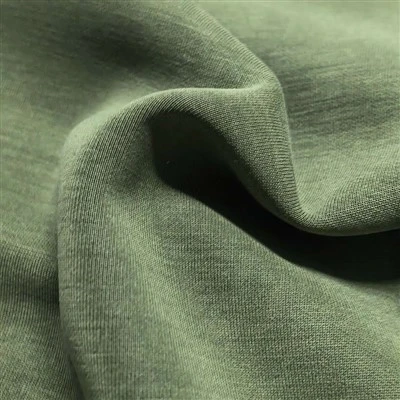
If you’re a brand owner, a small boutique, or someone looking to stock up on modal fabric for your next project, I’ve got you covered. We work with all kinds of clients, from big apparel makers to custom small businesses, and we can tailor orders to whatever you need. Hit us up to chat about minimums, pricing, or even sample swatches—no pressure, just real talk about what works for your project.
Certified Fabric References: 1. Textile Institute. (2022). Moisture Management Properties of Cellulosic and Synthetic Fibers. 2. Sustainable Textiles Association. (2023). Life Cycle Assessment of Modal vs. Polyester Fabrics. 3. Journal of Fiber Science and Technology. (2021). Durability of Modal and Polyester Fabrics in Everyday Wear Applications.
Shaoxing Valu Textile Co., Ltd.
Shaoxing Valu Textile Co., Ltd. is one of the most professional modal fabric manufacturers and suppliers in China. We have world-leading production equipment and strong manufacturing capabilities. Please feel free to wholesale bulk high quality modal fabric made in China here from our factory. Also, custom service is available.
Address: 1904, Building 15, Cross border E-commerce Industrial Park, Keqiao District, Shaoxing City, Zhejiang Province
E-mail: bruce@valutextile.com
WebSite: https://www.valutextile.com/
