If you’re running or maintaining mobile explosion-proof fuel stations, you know how critical it is to keep your software system up to date. For suppliers like us, it’s not just about adding new features—it’s about ensuring every upgrade aligns with safety standards, complies with global regulations, and keeps your fuel operations running smoothly without costly downtime. Over the past decade, we’ve worked with dozens of fleet operators, construction companies, and energy providers to upgrade their mobile fuel station software, and we’ve learned that a successful upgrade isn’t just about installing a new patch. It’s a structured process that balances safety, functionality, and user needs. In this post, I’ll break down exactly how to approach upgrading your mobile explosion-proof fuel station’s software, based on real-world experience and industry best practices. Mobile Explosion-proof Fuel Station
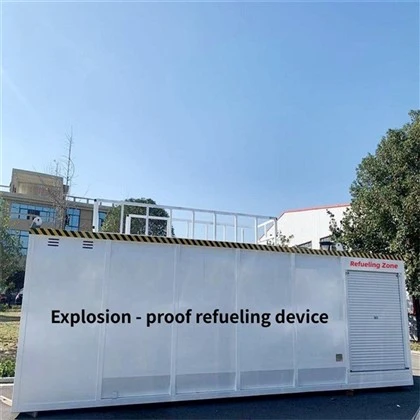
First, let’s ground this in what makes mobile explosion-proof fuel stations unique. Unlike fixed fuel stations, these units are mobile—they’re transported to job sites, remote locations, or temporary events, often in hazardous environments where flammable vapors are present. Their software controls core functions: fuel dispensing, level monitoring, pressure sensors, and even communication with fleet management systems. An outdated or faulty software system can lead to errors in fuel metering, misalignment with safety interlocks, or non-compliance with standards like NFPA 30 (Flammable and Combustible Liquids Code) or ATEX (ATmosphères EXplosibles) directives. That’s why upgrading this software isn’t a convenience—it’s a mandatory part of maintaining safe, legal operations.
The first step in a successful upgrade is a pre-upgrade audit tailored to your specific mobile unit. We’ve seen suppliers skip this step and end up with upgrades that either conflict with their existing hardware or don’t address their actual pain points. For example, a customer once asked us to upgrade their software to add contactless payment, but their 2018 model had outdated sensor hardware that couldn’t support the new payment module without additional modifications. A pre-upgrade audit should include two main parts: hardware compatibility checks and operational needs assessments.
For hardware compatibility, you’ll want to work with a technician who specializes in mobile explosion-proof equipment. They’ll verify that your fuel level sensors (ultrasonic or capacitive), pressure transducers, and control panels are compatible with the latest software version. Old sensors might have slower data transfer rates that could cause the software to miss critical safety alerts, like a fuel leak or over-pressure in the tank. We always recommend documenting your hardware model numbers and serial numbers before starting—this helps the upgrade team pick the right software build and avoids post-installation headaches.
Next, the operational needs assessment. Every fleet has different requirements. A construction company that uses mobile fuel stations to power heavy equipment might prioritize real-time fuel level tracking to prevent running out on a job. A remote mining operation might need integration with satellite communication to send data back to a central office, even in areas with no cell service. During this step, our team sits down with the customer’s operations manager, safety officer, and IT lead to list must-have features and nice-to-haves. This ensures the upgrade solves specific problems—like reducing manual fuel inventory checks or improving error reporting—instead of just adding bells and whistles.
Once the audit is complete, it’s time to develop an upgrade plan that minimizes downtime. Mobile fuel station downtime is expensive: a construction crew can’t run if their fuel supply is out, and a remote event can’t operate without fuel for generators. We always advise scheduling upgrades during low-activity periods. For example, if a customer’s main job is seasonal—like a winter road construction project—we’ll schedule the upgrade during the summer months when demand is low. For 24/7 operations, we often do the upgrade in phases: upgrade one unit first, test it for a week, then upgrade the rest of the fleet. This way, if something goes wrong, only one unit is affected, not the entire operation.
A key part of the upgrade plan is safety protocols. Since these are explosion-proof units, any software work must not compromise the unit’s intrinsic safety features. Intrinsic safety is a design standard that ensures electrical equipment can’t ignite flammable vapors, even if there’s a fault. When upgrading software, you can’t just overwrite the existing code—you have to work with the unit’s intrinsically safe control panel. Our team follows strict guidelines: we disconnect power only when the unit is in a safe, ventilated area, we use non-sparking tools, and we test the safety interlocks after the upgrade to make sure they still engage if there’s a fuel vapor detection event. We also document every safety check in a compliance report, which is required for most regulatory inspections.
The actual software installation process needs to be methodical. We don’t just plug in a USB drive and run an installer—we take steps to back up all existing data first. That includes fuel transaction logs, inventory records, and safety alert history. Why? If the upgrade fails, you don’t want to lose months of important data. We store the backup on an encrypted external drive, separate from the unit’s internal memory. During installation, we use a custom tool that’s designed for mobile explosion-proof units—off-the-shelf software installers often have features that aren’t certified for hazardous environments, which can lead to safety issues.
After installation, testing is non-negotiable. It’s not enough to just turn the unit on and check if the screen works. We run three types of tests: functional tests, safety tests, and integration tests. Functional tests verify that all core operations work: dispensing fuel, updating fuel levels, recording transactions. For example, we’ll dispense a small amount of fuel and check if the meter is accurate within ±0.2%—the industry standard for fuel measurement. Safety tests are the most critical: we simulate a fuel leak using a test sensor, and we make sure the software triggers an alarm and shuts down the dispensing pump within the required time. We also test the emergency stop button to confirm it still cuts power to the pump. Integration tests are for customers who have connected their fuel station to a fleet management system—we check that data is sent correctly, in real time, without delays.
Training is the step that many suppliers overlook, but it’s what makes the upgrade actually useful. Even the best software won’t help if your drivers or operators don’t know how to use it. We offer two types of training: on-site training for the unit’s operators, and remote training for the customer’s administrative staff. For operators, we focus on the practical stuff: how to start a fuel dispense, how to respond to a safety alert, how to check fuel levels. We use real mobile units for training, because the software behaves differently in a mobile setup than it does in a fixed lab. For example, a mobile unit will have slight vibrations during transport, so we’ll simulate a transport scenario to show how the software’s anti-slosh logic works to keep measurements accurate. For admin staff, we train them on accessing transaction reports, adjusting inventory settings, and generating compliance documents.
Post-upgrade support is where we stand out as a mobile fuel station supplier. Software issues can pop up weeks or months after installation, especially in mobile units that are exposed to harsh conditions—extreme temperatures, dust, rough roads. We don’t just install the upgrade and disappear. We offer a 90-day support package that includes 24/7 remote access to the unit’s software. Our team can log in remotely to troubleshoot minor issues, like a connectivity glitch or a misconfigured setting. For more complex problems, we send a technician to the customer’s location within 48 hours (for North America) or arrange for a mobile service unit to meet the fuel station at a safe, pre-vetted location. We also provide regular software check-ins—quarterly reminders to apply small updates, and annual reviews to see if the original upgrade is still meeting the customer’s needs as their operations change.
One of the biggest mistakes we see suppliers make is trying to cut corners on software upgrades to save money. For example, using an uncertified third-party software build instead of the manufacturer’s official update. This can lead to compliance failures, safety hazards, and even voiding the unit’s warranty. We once had a customer who tried to save $500 by using a non-certified upgrade, and six months later, their unit failed a regulatory inspection because the software didn’t properly log safety alerts. They had to spend $3,000 to fix the issue and lost a $20,000 contract as a result. That’s why we always emphasize that certified, purpose-built software upgrades are worth the investment—they protect your operations, your workers, and your bottom line.
Another consideration is future-proofing. When you upgrade your software, you should choose a version that can grow with your needs. For example, if you plan to add electric vehicle (EV) charging to your mobile fuel station in the next two years, look for a software build that’s compatible with EV chargers. Or if you want to add IoT sensors to monitor equipment performance, pick a software platform that supports modular add-ons. Our team works with customers to align the upgrade with their long-term business goals, so they don’t have to do a major software overhaul every few years.
Let’s wrap this up with a real example. Last year, we upgraded a fleet of 12 mobile explosion-proof fuel stations for a large construction company in Texas. Their existing software was 7 years old, and they were having issues with fuel meter inaccuracies and missing safety alerts. Here’s how we did it: first, we did an audit and found all their sensors were compatible with the latest software build. Then, we scheduled upgrades during the holiday week, when their construction sites were closed. We upgraded one unit first, tested it for 3 days, confirmed the meter accuracy was within 0.18% (better than the required standard), and then upgraded the other 11 units. We trained 20 operators and 5 admin staff, and our 90-day support package included a check-in after the first month. Six months later, the customer reported a 30% reduction in manual inventory checks and zero safety alert misses—they even saved $10,000 in fuel overages from more accurate metering.

At the end of the day, upgrading your mobile explosion-proof fuel station’s software is a process that requires care, expertise, and a focus on safety. It’s not a one-time fix—it’s an ongoing part of maintaining a reliable, compliant operation. If you’re looking to upgrade your fleet, or you have questions about whether your current software is ready for an update, we’re here to help. Our team has over 15 years of experience working with mobile fuel station software, and we can walk you through every step, from the initial audit to post-upgrade support. We understand that your operations depend on your fuel stations, so we make every upgrade as smooth and low-downtime as possible. Contact our sales team to discuss your specific needs and see how we can help you upgrade your mobile fuel station software to keep your operations safe, efficient, and compliant.
Mobile Explosion-proof Fuel Station References
- National Fire Protection Association. NFPA 30: Flammable and Combustible Liquids Code. 2021 edition.
- European Committee for Standardization. EN 13463: Non-electrical equipment for use in potentially explosive atmospheres. 2019 edition.
- International Organization for Standardization. ISO 18265: Petroleum products – Installation and operation of mobile fuel dispensing units. 2020 edition.
- Mobile Fueling Association. “Best Practices for Software Upgrades in Mobile Fuel Stations.” Industry White Paper, 2022.
- Occupational Safety and Health Administration (OSHA). “Hazardous Locations: Intrinsic Safety Guidelines for Mobile Equipment.” OSHA Publication 3325-05, 2021.
Shandong Jingcai Industry and Trade Co., Ltd.
As one of the most professional mobile explosion-proof fuel station manufacturers and suppliers in China, we also support customized service. With abundant experience, we warmly welcome you to wholesale high quality mobile explosion-proof fuel station in stock here from our factory. Contact us for free sample.
Address: Caojiazhuang Village Industrial Park, Lingcheng Town, Qufu City, Jining City, Shandong Province.
E-mail: shandongjingcai888@gmail.com
WebSite: https://www.sdjingcaicn.com/
