Hey guys, so if you’re here, you’re probably either sick of buying flimsy packaging that falls apart mid-shipment, or you’re a supplier scrambling to find BOPP woven bags that actually fit your product like a glove. I’ve been in the BOPP woven bag game for over 7 years now—seen every bad call, every “I grabbed the cheapest one and regretted it” story, and every time someone asked me “wait, why did you use that bag for fertilizer and not for rice?” Let’s cut the crap here: choosing the right BOPP bag isn’t just about grabbing whatever’s on sale. It’s about matching the bag’s specs to what you’re packing, because that’s what saves you from returns, leaks, or worse—product loss. BOPP Woven Bags
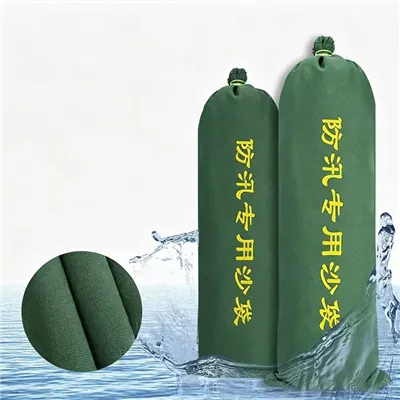
First off, let’s get one thing straight: BOPP woven bags aren’t one-size-f-all. I’ve had a customer come to me last year, swearing their previous supplier told them a single 50mic bag would work for corn starch. Six months later, they were here apologizing because every other shipment had powdery leaks, and their customers were leaving 1-star reviews. That’s the kind of mistake we’re fixing today.
Let’s start with the heavy-duty stuff first—we’re talking bulk solids that are rough, abrasive, or super heavy. Think fertilizer, construction aggregates, cattle feed, raw grain like corn or wheat. These things beat the crap out of packaging, right? If you use a thin 40mic bag here, it’s gonna tear at the seams before it even leaves your warehouse. For these products, you want a bag with at least two things: thicker film (45mic minimum, 50-60mic is ideal) and a reinforced woven structure. Not just plain polypropylene—look for bags with reinforced bottom seams, maybe even linear low-density polyethylene (LLDPE) liners if you’re packing anything that could spill through gaps. A lot of suppliers skip liners to cut costs, but for bulk feed, a liner stops dust from escaping, keeps the feed dry in rain or humid warehouses, and prevents contamination from external dirt. I had a fertilizer client who switched from plain 45mic bags to 55mic with a PE liner last year—their leak rate dropped from 8% to less than 1%. That’s the difference between a headache and no headache. Also, for super abrasive stuff like sand or gravel, go for bags with UV stabilization if they’re gonna be stored outside. BOPP breaks down in sunlight, so if your bags are sitting on a farm for a month before being delivered, UV inhibitors mean they won’t turn brittle and split open.
Next up, fine, powdery products—like that corn starch I mentioned earlier, flour, cocoa powder, cement powder, chemical additives. These are tricky because they’re tiny, they leak through even the smallest gaps, and a lot of them are hygroscopic (meaning they suck moisture out of the air, which clumps them up and ruins the product). For powders, you don’t just need thickness—you need airtight or semi-airtight liners, and a tighter woven BOPP weave. A loose weave lets micro-particles seep out, so even a 50mic bag will have leaks if the threads are too spaced apart. I recommend a 45-50mic BOPP outer bag with a high-density PE (HDPE) liner that’s heat-sealed, not just taped. Taped seams come undone in transit, but heat-sealed liners create a complete barrier. Also, if you’re packing food-grade powders (flour, cocoa), make sure the BOPP resin is food-safe, no recycled material that could leach chemicals. I see a lot of budget suppliers using 100% recycled PP for food stuff—big no-no. That’ll get you banned from grocery stores, trust me. Another pro tip for powders: add a valve if you’re filling them automatically at scale. Valves cut down on filling time by 30% because you don’t have to open and close the bag for each load. That’s a huge time saver for factories cranking out thousands of bags a day.
Then we have granular products—rice, sugar, pet food, seed, small plastic pellets. These are the middle ground, not as heavy as aggregates, not as fine as powder, but they still have specific needs. For rice and sugar, you need bags that keep moisture out because these products absorb water easily, leading to clumping or mold. A 40-45mic BOPP bag with a thin PE liner works here—no need for heavy liners, just enough to keep humidity out. For pet food, you might want to add a vent? Wait, no—actually, most pet food needs to stay dry, but if you’re packing natural pet food that has a bit of oil, you want a bag with a corona-treated surface for printing, so the brand label doesn’t smudge or peel off in the pet store warehouse. I had a client who sold organic dog treats and switched to corona-treated BOPP bags—their shelf visibility went up because the labels stayed crisp, and they cut down on returns from faded packaging. For seeds, you absolutely need UV stabilization and a liner, because seeds need to stay dry and viable for planting. A seed that’s packed in a non-UV bag will lose germination rate within a month of being stored outside—game over for farmers.
Now, what about liquid-adjacent products? No, not liquid itself, but products that might have some moisture or need to hold moisture—like animal feed pellets that are a bit oily, silage, or compost. Wait, silage is a big one. Silage needs airtight packaging to ferment properly, so you’re looking for heavy-duty BOPP bags with a barrier layer—maybe an EVOH (ethylene vinyl alcohol) liner that blocks oxygen. EVOH is way better than PE for keeping oxygen out, which prevents spoilage. A lot of small-scale farmers don’t know that, so they use regular feed bags and end up with moldy silage. For oily products, the BOPP outer needs to be slip-resistant? Wait, no, more like it needs to be resistant to oil penetration. Oils can break down regular PP, so for oily granules, go for a BOPP bag with a low-density liner that’s oil-resistant. I’ve had a fish feed client who was using plain bags and had their bags start leaking oil during shipping—switched to oil-resistant liner bags and haven’t had an issue in two years.
Wait, let’s talk about size and weight limits too, because that’s part of choosing the right bag. You wouldn’t pack 50kg of flour in a 10kg rice bag, right? But a lot of people forget that even if the size is right, the tensile strength (how much it can stretch before breaking) matters. For any bag over 25kg, you need a tensile strength of at least 2000 N/5cm for warp and weft. That’s a industry standard, but a lot of cheap bags don’t meet that. I test every batch we get, because if a bag can’t hold 50kg when dropped from a truck, that’s a problem. Also, the gusset size—make sure the bag is wide enough for your product to fit without stretching too much. Stretching a bag too thin weakens it, so measuring your product’s dimensions first is key. For example, if you have a 20kg bag of rice that’s 30cm wide, a 50cm gusset bag is perfect, but a 45cm gusset will be tight, stretch the sides, and cause tears.
Oh, and don’t forget about printing! That’s a big one for brand recognition. If you’re selling a retail product (rice, sugar, pet food), you want high-quality, vibrant printing on your bag. BOPP has great print adhesion, but only if it’s corona-treated, like I mentioned earlier. If you print on non-corona-treated BOPP, the ink will peel off when the bag gets scratched or exposed to moisture. Also, if you need custom printing, make sure your supplier can do up to 6 color prints, and that they use food-safe inks if you’re packing food. I’ve had a client who brought bags from a cheap supplier, and the ink ran off when it rained during delivery—cost them $20k in returns because customers couldn’t read the expiration date.
Wait, what about products that need to be recycled or compostable? Oh right, more and more customers are asking for sustainable packaging these days. BOPP is recyclable, but make sure your supplier uses recyclable resins, not mixed materials. If you use a BOPP bag with a PE liner, some recycling facilities won’t take it because it’s mixed plastic. So if you want recyclable bags, opt for mono-material BOPP bags, or if you need a liner, a BOPP liner too? Wait, no, some suppliers make all-BOPP liners now, so the whole bag is BOPP, which is 100% recyclable. And if you need compostable, there are BOPP bags made from bio-based resins now—great for organic products, but they’re more expensive, so only use them if your customers are willing to pay a premium for sustainability.
Let me give you some quick real examples to make this concrete, because I know numbers can get confusing. Let’s say:
- 50kg of urea fertilizer, stored outside for 2 weeks before shipping: 55mic BOPP bag, UV-stabilized, 2000N tensile strength, PE liner. No leaks, no tears, no sun damage.
- 25kg of wheat flour, food-grade: 45mic BOPP bag, heat-sealed HDPE liner, food-safe resin, 4 color prints for branding. No powder leakage, stays dry, labels don’t smudge.
- 10kg of white rice for retail: 40mic BOPP bag, thin PE liner, corona-treated for print, clear window if you want customers to see the rice. Moisture stays out, labels look sharp.
- 5kg of corn starch powder for a food manufacturer: 48mic BOPP bag, tight weave, airtight HDPE liner, valve for automatic filling. No micro-powder leaks, fast filling, keeps starch dry.
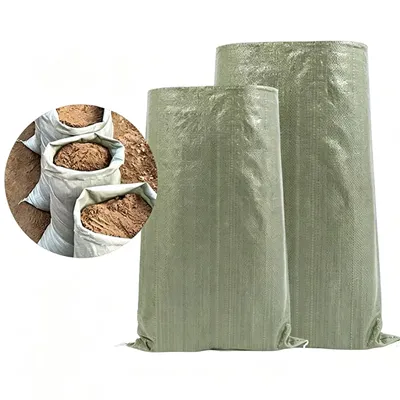
Now, let’s talk about the mistakes I see people making all the time, because learning from others’ mistakes is way cheaper than making your own. First, buying the lowest price per bag. I had a customer last year who bought 100,000 bags from a supplier that was 2 cents per bag cheaper than me. The bags had 30mic thickness (not 40 like they asked), no liner, and UV stabilization. Half the bags split open on the first day of shipment, and they lost $50k worth of product. That 2 cent savings cost them way more. Second, ignoring regulatory requirements. If you’re packing food, you can’t use recycled PP—FDA or EU food contact regulations apply, so make sure your supplier can provide certification. Third, not testing a sample first. Never order 100,000 bags without getting a sample first. Fill it with your actual product, drop it from a truck, leave it in a humid space for a week, see if it leaks. I give free samples to every customer, because I want them to test before they commit—no pressure, just make sure it works for your product.
Chemical Packaging Bags At the end of the day, choosing the right BOPP woven bag is about balancing three things: product protection, cost efficiency, and customer needs. You don’t need the most expensive bag for every product, but you need the right bag for the job. If you’re not sure what you need—like, if you’re a small farmer looking for feed bags, or a food manufacturer needing flour packaging, or a construction company needing aggregate bags—hit me up. We can walk through your product specs, volume, and budget, and I’ll help you pick the perfect bag that won’t let you down. No sales pitch, no confusing jargon, just straight talk from someone who’s been doing this for years and has seen every possible packaging disaster.
Liaoning Xunlian Packaging Products Co., Ltd.
Liaoning Xunlian Packaging Products Co., Ltd. is one of the most professional bopp woven bags manufacturers and suppliers in China, featured by quality products and good service. Welcome to wholesale CE approved bopp woven bags made in China here and get quotation from our factory. Customized orders are welcome.
Address: Chaoyang Industrial Park, Kangping, Shenyang, Liaoning, China.
E-mail: info@xunlianpack.com
WebSite: https://www.xunlianpack.com/
