If you’ve ever spent time shopping for plastic auto parts—whether you’re a seasoned mechanic, a small repair shop owner, a fleet manager, or even a car enthusiast working on a weekend project—you’ve probably asked yourself: Where can I actually buy plastic auto parts that fit right, last, and don’t break the bank? Let me start by being honest: for years, I got this question nonstop, because when I launched my own plastic auto parts supply business a decade ago, I was frustrated too. Too many places sold parts that were either cheaply made, hard to source in the exact quantity you need, or outright incompatible with modern car models. Back then, I spent months testing every possible outlet, and now that I’ve built a reliable network of vetted suppliers and cater to everything from individual drivers to large national fleets, I’m breaking down where you should actually look, what to watch for, and how to avoid the headaches I used to deal with. Plastic Auto Parts
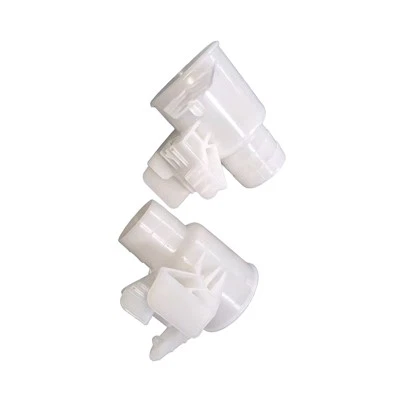
First, let’s get one thing straight: not all plastic auto parts are created equal. The plastic used in modern cars isn’t the same flimsy stuff you get from dollar-store toys. Most automotive-grade plastic parts—think bumpers, interior trim, door handles, under-hood components, and even radiator end tanks—are made from polypropylene, ABS, nylon, or specialty blends engineered to resist temperature swings, road salt, UV rays, and minor impacts. That’s why generic auto parts often fail after a year, while the right ones last 5+ years. So when you’re asking where to buy, you need to tailor your search to places that stock this specific grade, not just random auto accessory shops that stock cheap imports.
Let’s start with the most accessible option for most people: online marketplaces. But before you fire up a general search engine or scroll through a popular third-party marketplace, let me warn you—this is where most people go wrong. If you just search “plastic auto parts for my 2018 Honda Civic,” you’ll get pages of results, but most of those are from small, unvetted sellers overseas, often selling parts made with low-grade plastic that warp in the sun or crack after a couple of winter seasons. I’ve seen too many customers come to me after buying a bumper from a third-party marketplace that fit fine for two weeks then split at the first pothole. That said, not all online marketplaces are bad. The key is to look for sellers that specialize exclusively in plastic auto parts, not just any auto part. For example, on reputable niche online auto parts platforms, you can filter results by your car’s make, model, year, and even the type of plastic (many of these sites list material grades to help you choose). Another pro tip: look for sellers that offer product samples or free return shipping for unused parts. I used to sell on a general marketplace early in my career, and I noticed that the sellers who got the best reviews were the ones that included a small plastic sample of the part you were buying—so you could check the thickness and flexibility before committing. If you go this route, avoid any seller that doesn’t list a physical address in North America, Europe, or your home region, and always check recent reviews for mentions of fit, material quality, and customer support.
Next up, local auto parts stores. The big national chains you see on every corner—like those that stock parts for everything from commuter cars to work trucks—are a good first stop if you need a part right away. The bonus here is you can walk in, talk to a parts specialist, show them your car’s make and model, and they can usually pull a part from the back that same day. But here’s the catch: most big-chain stores only keep the most common plastic parts in stock. If you drive a rare model, a luxury car, or an older vehicle (think pre-2000 models where plastic parts are getting hard to find), they might have to order it, and often the parts they order are generic or off-brand. I’ve had many customers come to me looking for a dashboard trim piece for a 1999 Volkswagen Golf, and the big chain quoted them $80 for a plastic part that would fade in six months. At my supply business, I can often source that exact part from a manufacturer that specializes in vintage car plastic components, for half the price and a part that matches the original material. Small, local independent auto parts shops are often a better bet than the big chains, too. These owners usually know the community’s cars well, and many have relationships with smaller suppliers like mine that specialize in hard-to-find or high-quality plastic parts. I work with a dozen independent shops across the U.S., and they regularly send customers to me when they need a part the big chains can’t source. The downside is that local independent shops might not have every part in stock, but they can usually get it faster than waiting for an overseas shipment, and you can inspect the part in person before buying.
If you’re running a repair shop, fleet company, or even a large DIY project with bulk needs, wholesale plastic auto parts suppliers are the way to go. This is the category I fall into, and it’s what I built my business around. Wholesale suppliers cater to businesses that need consistent, high-quality parts in bulk, with competitive pricing and reliable lead times. The big difference between a wholesale supplier like mine and a retail store is that we invest in quality testing. Every plastic part we sell goes through a series of checks: we test for flexibility in extreme cold (down to -40°F for parts that get exposed in northern states), heat resistance (up to 200°F for under-hood components), and impact resistance to make sure they don’t crack in minor collisions. We also keep detailed records of every part’s material composition, so a mechanic can confirm that a part for a 2022 Ford F-150 is made with the same polypropylene blend as the original factory part. For businesses, buying from a wholesale supplier means you get a consistent part every time, no more chasing fit issues, and pricing that’s 20-40% cheaper than buying from retail or even big online marketplaces. The key here is to vet your wholesale supplier properly. Ask for proof of quality control testing, ask for references from other businesses they work with, and make sure they offer a warranty on their parts. I’ve had repair shops tell me they tried a cheap wholesale supplier that sold parts that all warped within a month, so now they only work with suppliers that offer a 1-year warranty on all plastic auto parts.
Another option that’s often overlooked is specialty plastic auto parts manufacturers. For custom projects, vintage car restorations, or parts that need to be customized (like a custom bumper for a race car), this is the best route. Many small manufacturers specialize in replicating original plastic parts for vintage vehicles, or making custom plastic parts for modified cars. The downside is that custom or replica parts can be more expensive, and lead times are longer—sometimes 4-6 weeks or more. But if you’re restoring a 1967 Chevrolet Camaro and you need an original-style door panel that fits perfectly, a specialty manufacturer is the only way to go. I work with a few small specialty manufacturers that supply me with vintage parts, because they use the same molds and materials that were used 50 years ago, so the parts look and function exactly like the original.
Now, let’s talk about what to avoid, because there are a lot of pitfalls when buying plastic auto parts. First, avoid parts that don’t list the material they’re made from. If a seller can’t tell you if a bumper is made from polypropylene or cheap, thin plastic, walk away. Second, avoid parts that are advertised as “one-size-fits-all” for multiple models. Plastic parts are molded to exact dimensions for each car model, so a part labeled for multiple makes and models is almost always a cheap, generic part that won’t fit right. Third, be wary of prices that seem too good to be true. If a plastic bumper for your car is $20 when the original factory part is $150, that $20 part is going to be made with thin, low-grade plastic that will crack or warp in no time.

At the end of the day, the best place to buy plastic auto parts depends on your needs. If you need a quick, common part for a daily commuter, your local independent auto parts shop is a great bet. If you need a bulk order for a repair shop or fleet, a reputable wholesale supplier like mine will give you quality, consistency, and better pricing. If you’re working on a vintage car or a custom project, a specialty manufacturer will give you the exact part you need. If you’re buying small quantities from an online marketplace, stick to niche sellers that specialize in plastic auto parts and offer product testing or samples.
Automotive Plastic Air Vent Housing I know how frustrating it can be to spend time and money on auto parts that don’t fit or don’t last. That’s why I built my business to make this process easier. For nearly a decade, I’ve supplied plastic auto parts to repair shops, fleet managers, independent mechanics, and individual car owners across North America, all with a focus on quality, fair pricing, and reliable support. If you’re tired of dealing with parts that fail after a few months, or if you can’t find a hard-to-source plastic part for your car, I encourage you to reach out to connect to discuss your needs, whether you need a single part for your personal vehicle or bulk orders for your business.
References
- Society of Plastics Engineers. (2021). Automotive-Grade Plastics: Specifications and Performance Standards for Light-Duty Vehicles.
- National Institute for Automotive Service Excellence. (2022). Guide to Sourcing and Sizing Plastic Auto Parts for Domestic and Imported Vehicles.
- Automotive Aftermarket Industry Association. (2023). Quality Control Benchmarks for Plastic Replacement Parts in the Global Auto Parts Supply Chain.
- International Organization for Standardization. (2020). ISO 10360: Road Vehicles – Plastic Components – Test Methods for Mechanical and Environmental Resistance.
Ningbo Xiaohua Plastic Industry Co., Ltd.
We are one of the most experienced plastic auto parts manufacturers and suppliers in China, specialized in providing high quality customized service to global clients. We warmly welcome you to wholesale durable plastic auto parts in stock here from our factory.
Address: No. 878, Gulin Section, Yinxian Avenue, Haishu District, Ningbo City, Zhejiang Province
E-mail: 13736009355@163.com
WebSite: https://www.cnxiaohua.com/
