How do PE Steel Transition Fittings perform in humid environments?
As a supplier of PE steel transition fittings, I have witnessed firsthand the growing demand for these essential components in various industries. One of the most common questions I’m asked by customers is about the performance of PE steel transition fittings in humid environments. In this blog post, I’ll delve into the intricacies of how these fittings handle high humidity, exploring their materials, construction, and real-world applications. PE Steel Transition Fittings
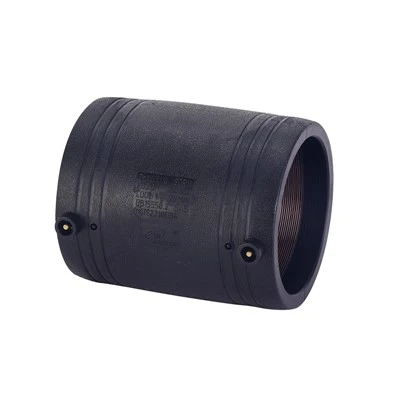
Understanding PE Steel Transition Fittings
Before we discuss their performance in humid conditions, let’s briefly understand what PE steel transition fittings are. These fittings are used to connect polyethylene (PE) pipes to steel pipes, combining the advantages of both materials. PE pipes are known for their corrosion resistance, flexibility, and ease of installation, while steel pipes offer high strength and durability. The transition fittings bridge the gap between these two types of pipes, allowing for a seamless connection in a wide range of applications, including water supply systems, gas pipelines, and industrial fluid transportation.
The Challenge of Humid Environments
Humid environments pose several challenges to plumbing and piping systems. Moisture in the air can lead to corrosion, degradation of materials, and the growth of mold and mildew. For steel components, corrosion is a major concern. When steel is exposed to water and oxygen, a chemical reaction occurs, resulting in the formation of rust. Rust can weaken the steel, leading to leaks, structural failures, and reduced overall lifespan of the piping system.
On the other hand, PE pipes are generally resistant to corrosion and moisture. The non – polar nature of polyethylene makes it impervious to most chemicals and environmental factors, including water. However, in a transition fitting where PE and steel are joined, the interface between the two materials presents a unique set of challenges in a humid environment.
Performance of PE in Humid Environments
Polyethylene is a polymer that has excellent resistance to moisture. It does not absorb water, which means it won’t swell or degrade due to water absorption. This property makes PE pipes ideal for use in humid areas, as they can maintain their structural integrity even when surrounded by high levels of moisture.
In a PE steel transition fitting, the PE part acts as a protective barrier against moisture for the steel component to some extent. The smooth surface of the PE reduces the likelihood of water droplets and moisture film accumulation, further minimizing the risk of corrosion at the fitting interface.
Protecting Steel in the Fitting
To ensure the performance of the steel part in the transition fitting in humid environments, several protective measures are employed during the manufacturing process. One common method is the application of anti – corrosion coatings. These coatings act as a physical barrier between the steel and the surrounding moisture, preventing direct contact and thus reducing the risk of rust formation.
Galvanization is another widely used technique. In this process, a layer of zinc is applied to the surface of the steel. Zinc is more reactive than steel, so it corrodes first, sacrificing itself to protect the underlying steel. The zinc layer also forms a stable oxide layer, which further enhances its protective properties.
Sealing and Joint Integrity
In a humid environment, proper sealing and joint integrity are crucial for the performance of PE steel transition fittings. Any gaps or leaks in the fitting can allow moisture to seep in and reach the steel component, leading to corrosion.
Manufacturers use advanced sealing technologies to ensure a tight and reliable connection between the PE and steel parts of the fitting. Rubber or plastic gaskets are often used at the joint interfaces. These gaskets provide a flexible seal that can adapt to changes in temperature and pressure, preventing water from entering the fitting.
Real – World Applications and Case Studies
In many real – world applications, such as underground water supply systems in coastal areas where humidity is high, PE steel transition fittings have proven their reliability. For example, in a large – scale water distribution project in a coastal city, our transition fittings were used to connect PE pipes from a water treatment plant to steel pipes in the urban distribution network.
After several years of operation, an inspection revealed that the fittings were in excellent condition. The anti – corrosion coatings on the steel parts had effectively protected them from the high – humidity environment, and the sealing gaskets had maintained their integrity, preventing any leaks.
Another case study involves a chemical processing plant located in a tropical region with high humidity. The plant uses PE steel transition fittings to connect pipes for the transfer of various fluids. Despite the harsh operating conditions, including corrosive chemicals and high humidity, the transition fittings have performed well, ensuring the continuous and safe operation of the plant’s piping system.
Factors Affecting Performance
While PE steel transition fittings are designed to perform well in humid environments, several factors can affect their performance. Temperature fluctuations can cause expansion and contraction of the materials, which may put stress on the joints and seals. Extreme temperature changes, especially if rapid, can also affect the adhesion of anti – corrosion coatings.
The quality of the water or other fluids in contact with the fittings can also play a role. If the water contains high levels of dissolved salts or other corrosive substances, it can accelerate the corrosion process, even with the protective coatings in place. Additionally, mechanical stress, such as vibrations from nearby machinery or ground movement, can potentially damage the fittings and compromise their performance.
Maintenance and Inspection
To ensure the long – term performance of PE steel transition fittings in humid environments, regular maintenance and inspection are essential. During inspections, it’s important to check for signs of corrosion on the steel parts, such as rust spots or discoloration. The integrity of the seals and gaskets should also be examined for any signs of wear or damage.
If any issues are detected, appropriate measures should be taken promptly. This may include replacing damaged seals, reapplying anti – corrosion coatings, or even replacing the entire fitting if the damage is severe.
Conclusion
In conclusion, PE steel transition fittings can perform effectively in humid environments when properly designed, manufactured, and maintained. The combination of the corrosion – resistant properties of PE and the protective measures applied to the steel parts, such as anti – corrosion coatings and galvanization, helps to mitigate the challenges posed by high humidity.

As a supplier of PE steel transition fittings, I’m confident in the quality and reliability of our products. Whether you’re working on a small – scale plumbing project or a large – scale industrial application in a humid environment, our fittings can provide a durable and efficient solution.
PE Ball Valve If you’re interested in learning more about our PE steel transition fittings or would like to discuss your specific project requirements, please don’t hesitate to contact us. We’re here to provide you with the best products and technical support to ensure the success of your project.
References
- “Handbook of Polymer Science and Technology” by James Mark et al.
- “Corrosion of Metals” by Fontana and Greene.
- Industry reports on the performance of plumbing and piping systems in humid environments.
Zhejiang Shengbo Pipe Fittings & Valves Industry Co., Ltd.
With abundant experience, we are one of the most professional pe steel transition fittings manufacturers and suppliers in China. Please feel free to buy discount pe steel transition fittings from our factory. Welcome to contact us for quotation and free sample.
Address: No. 79 Hemudu North Road, Hemudu Town, Yuyao City, Ningbo City, Zhejiang Province, China
E-mail: shengbo@zj-shengbo.com
WebSite: https://www.shengbofitting.com/
